
Filters
1946 products


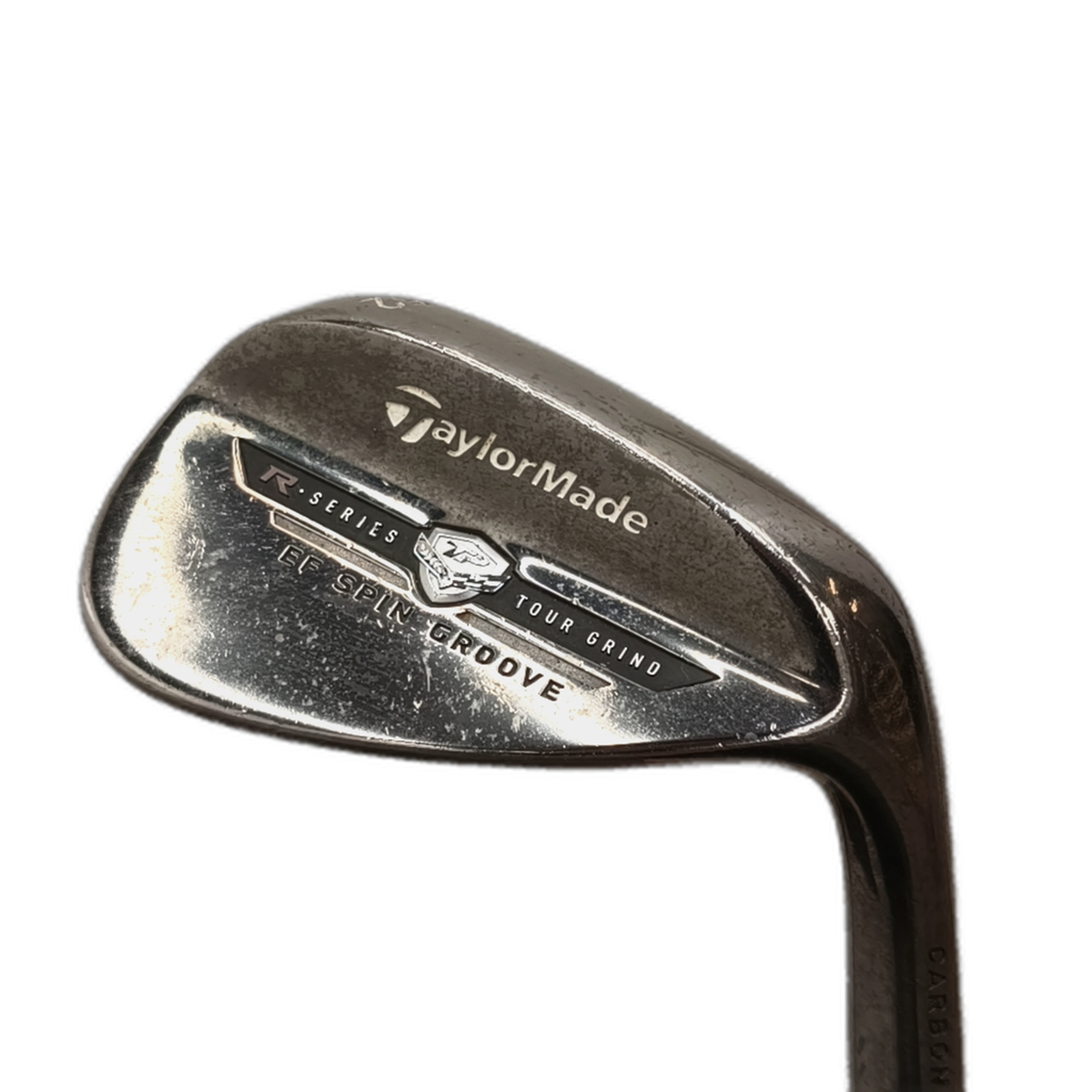
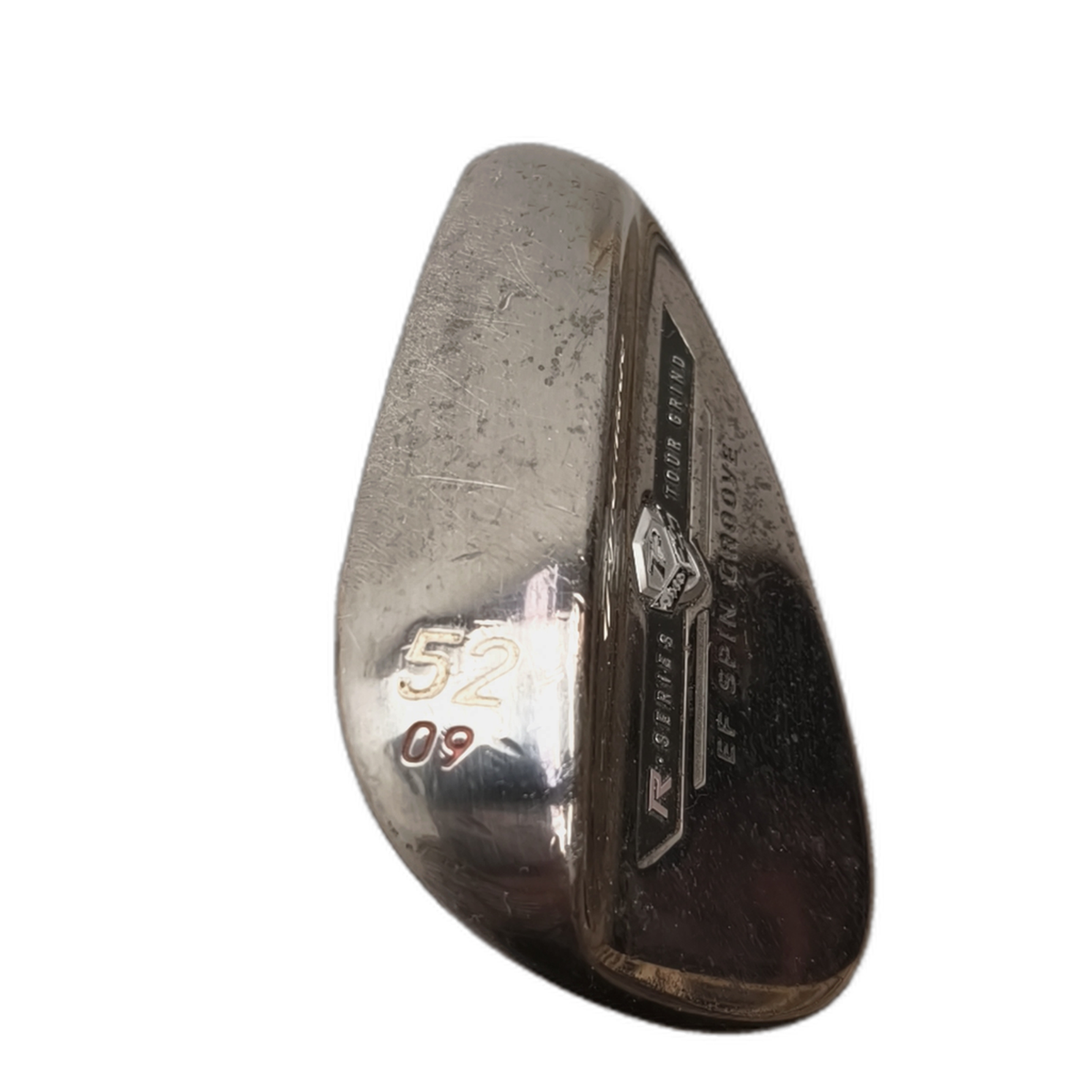
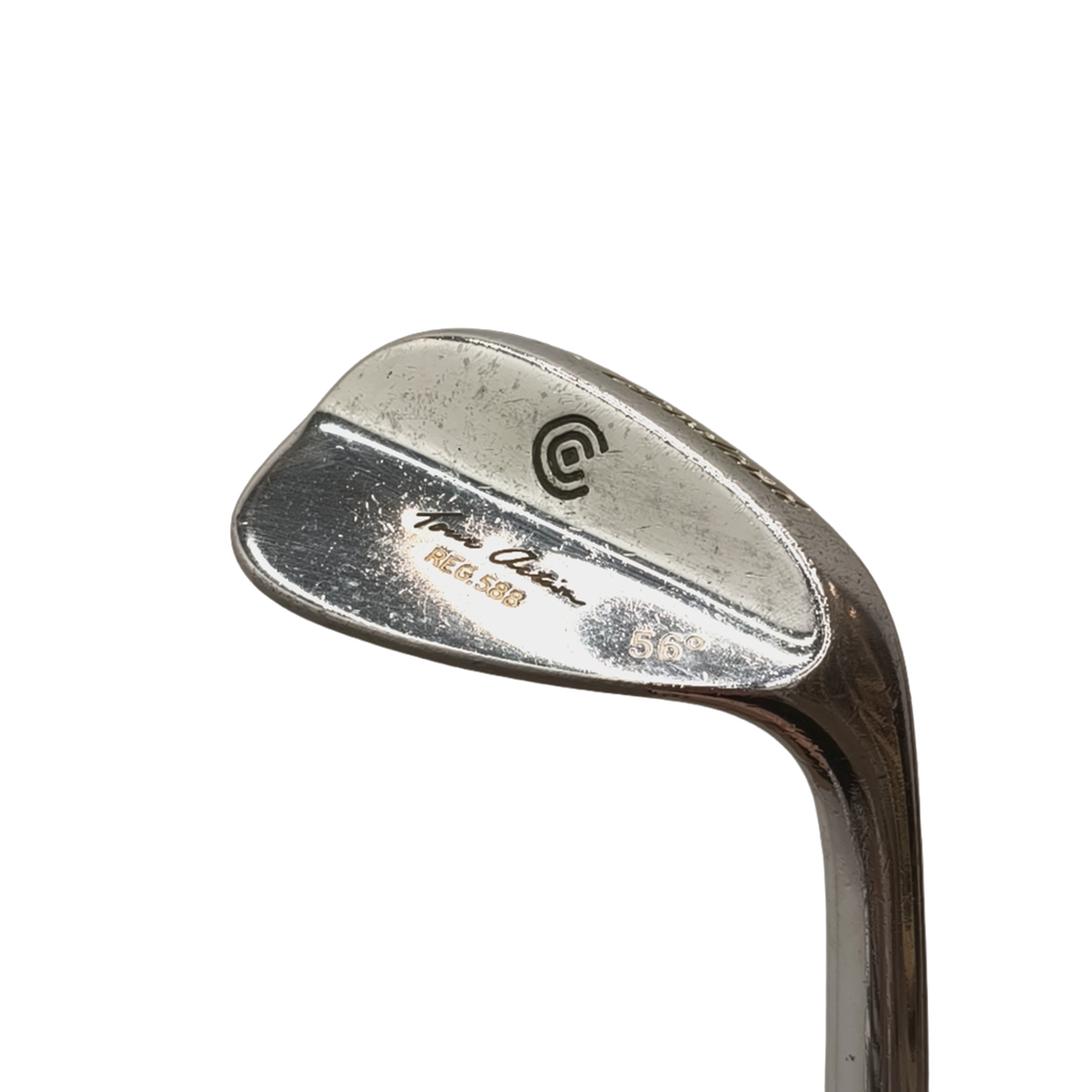
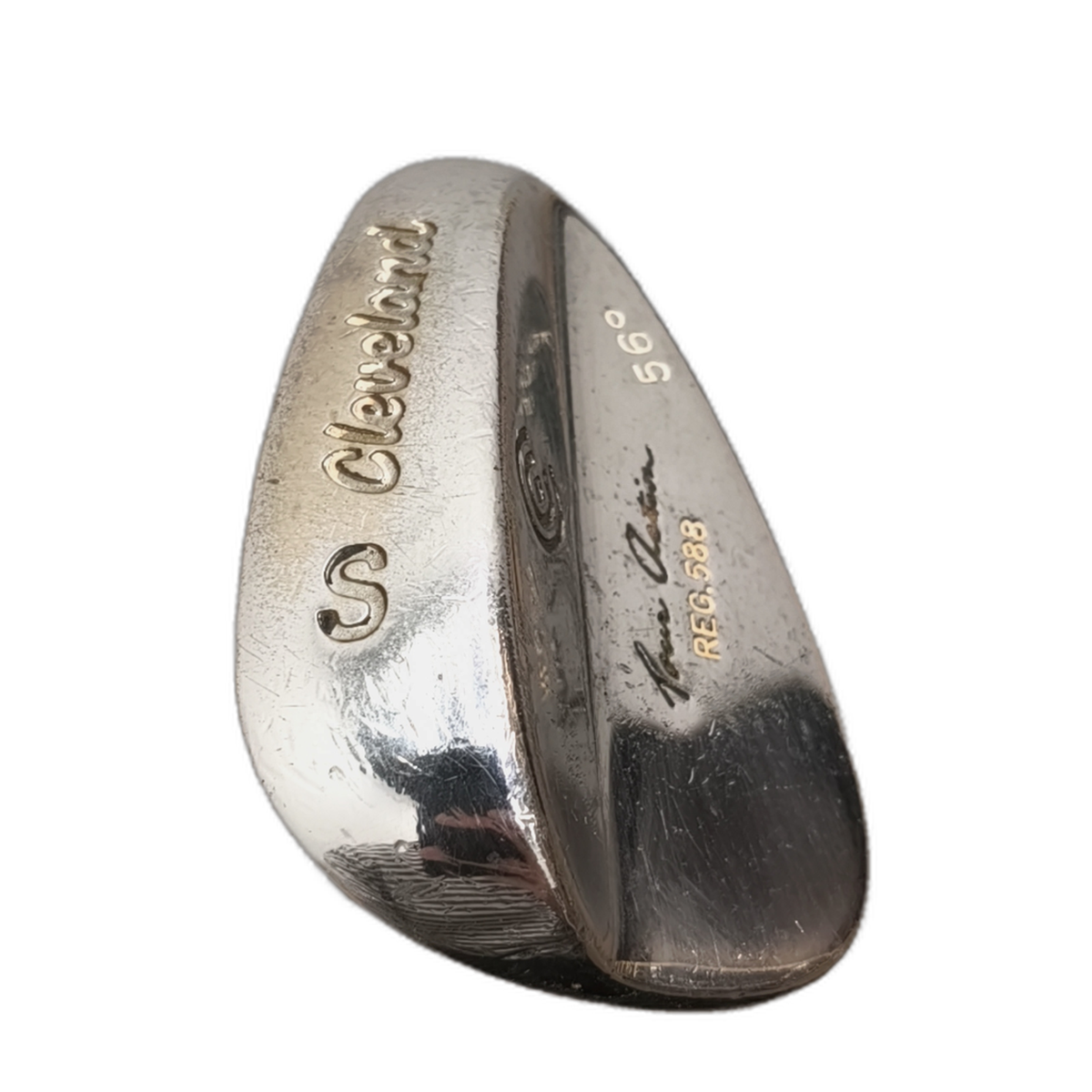
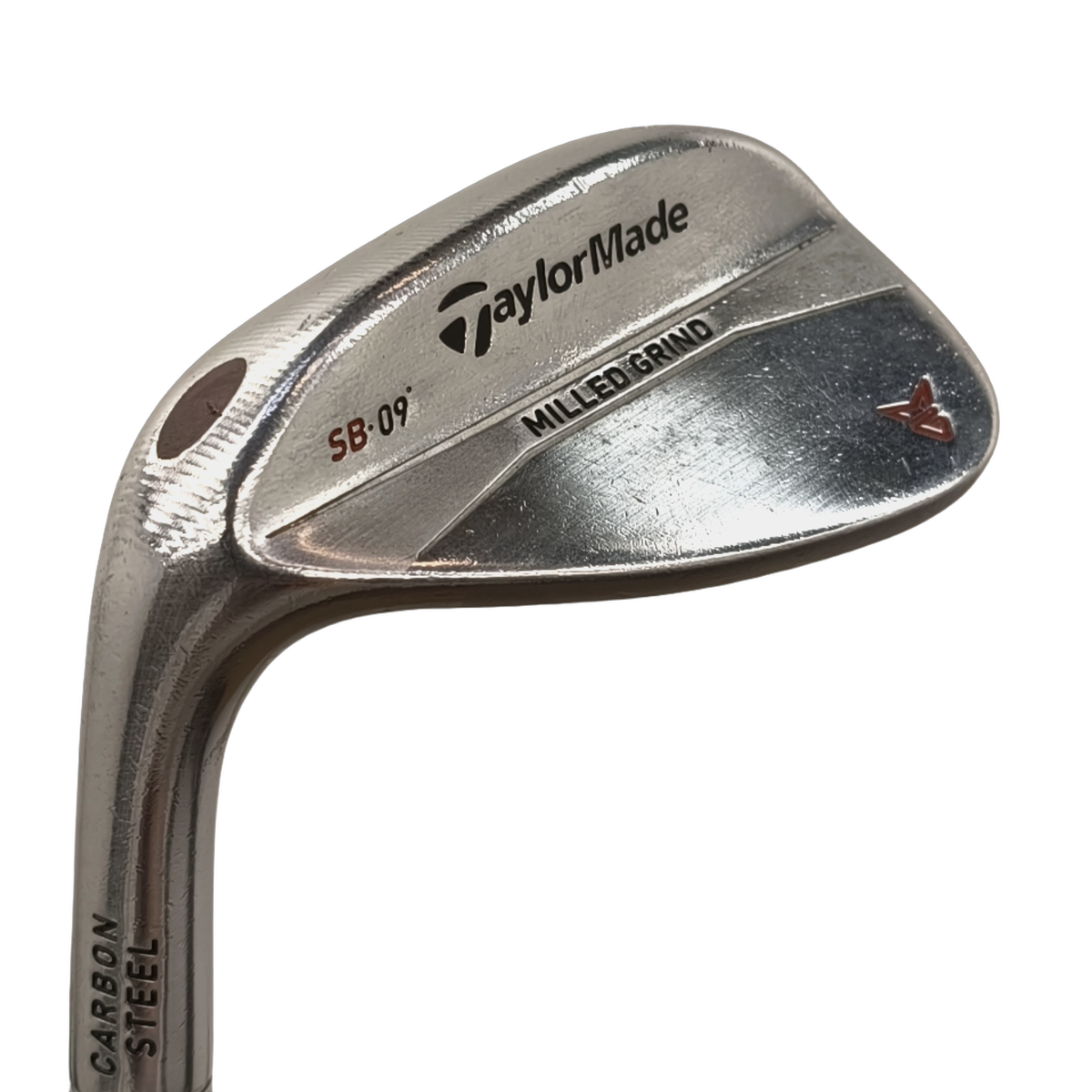
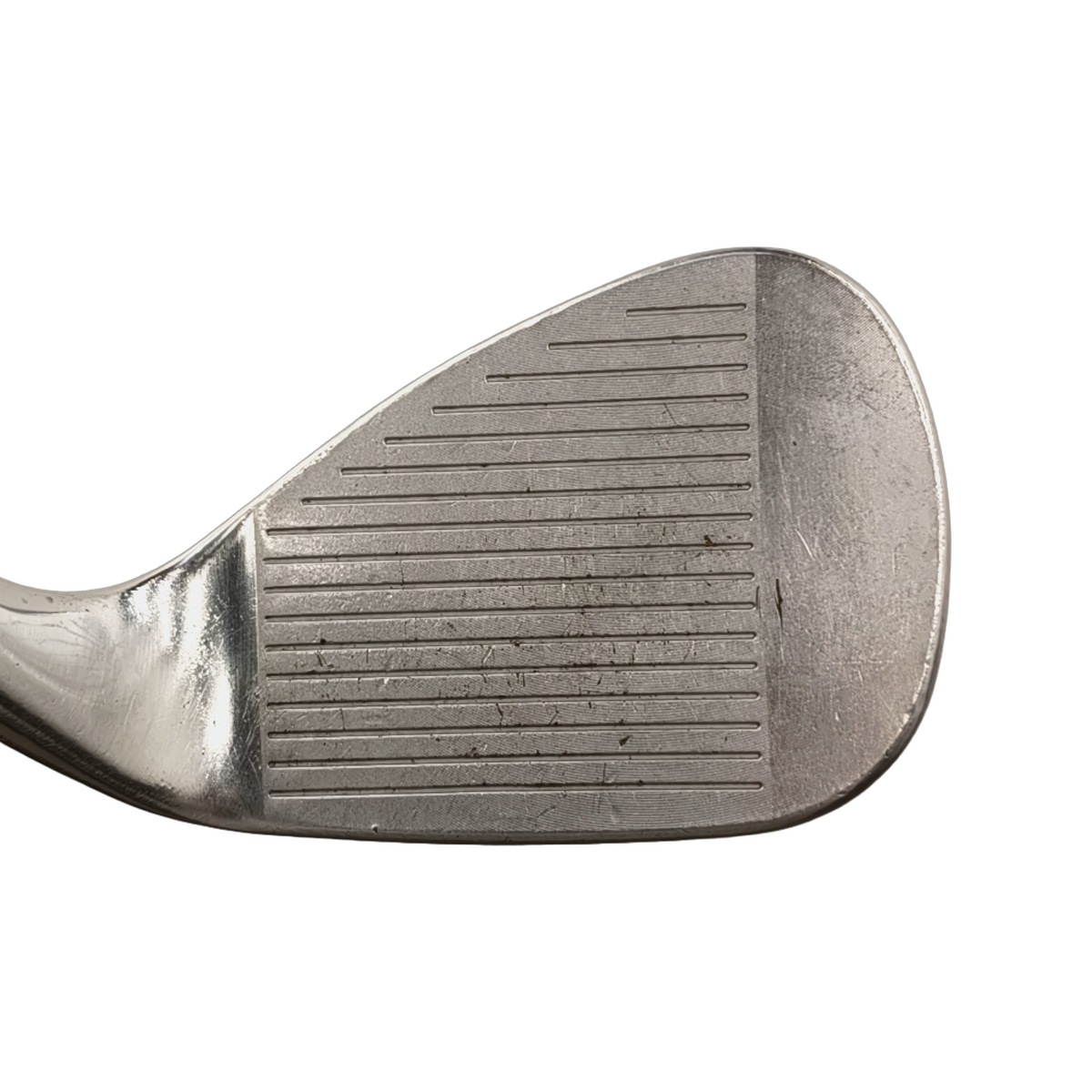
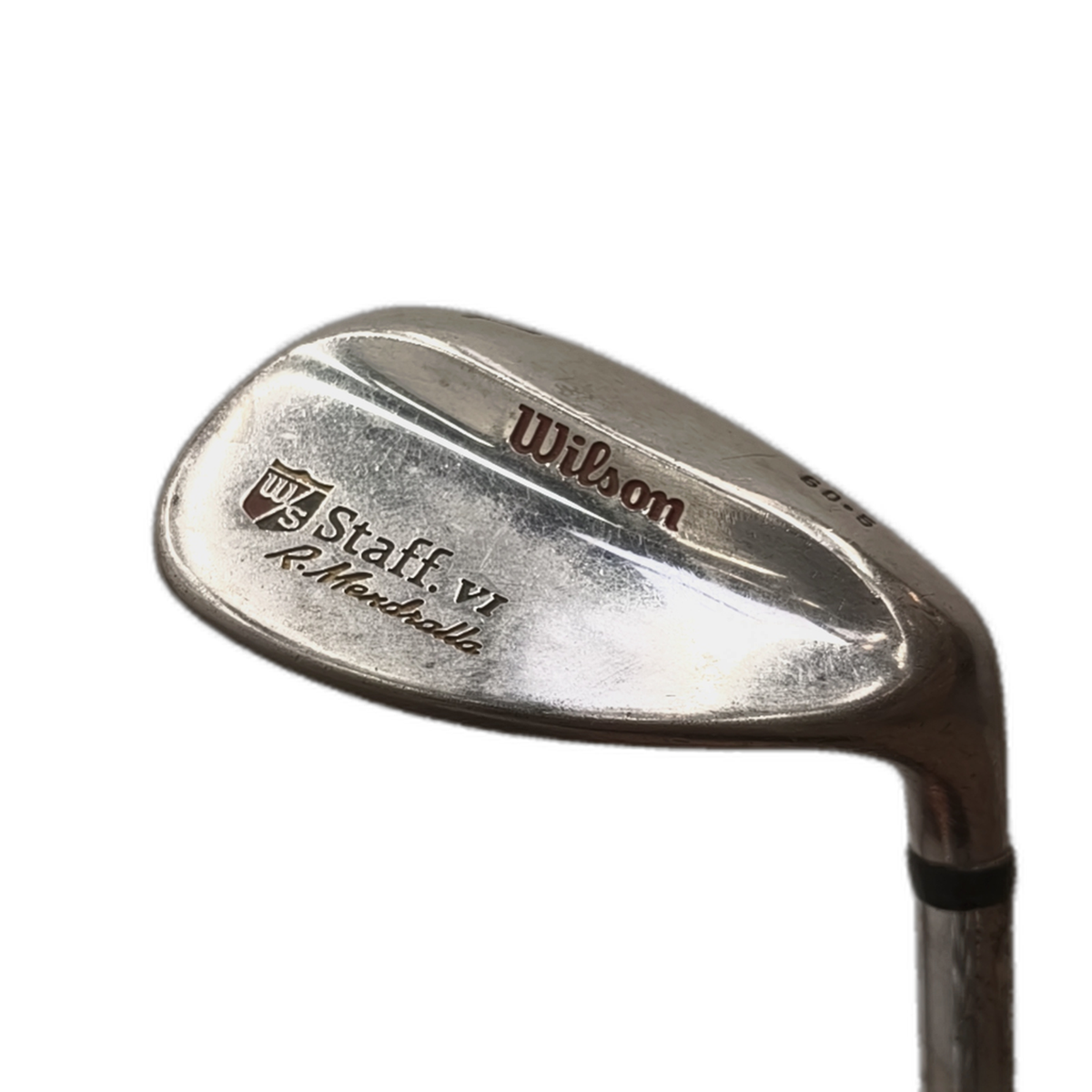
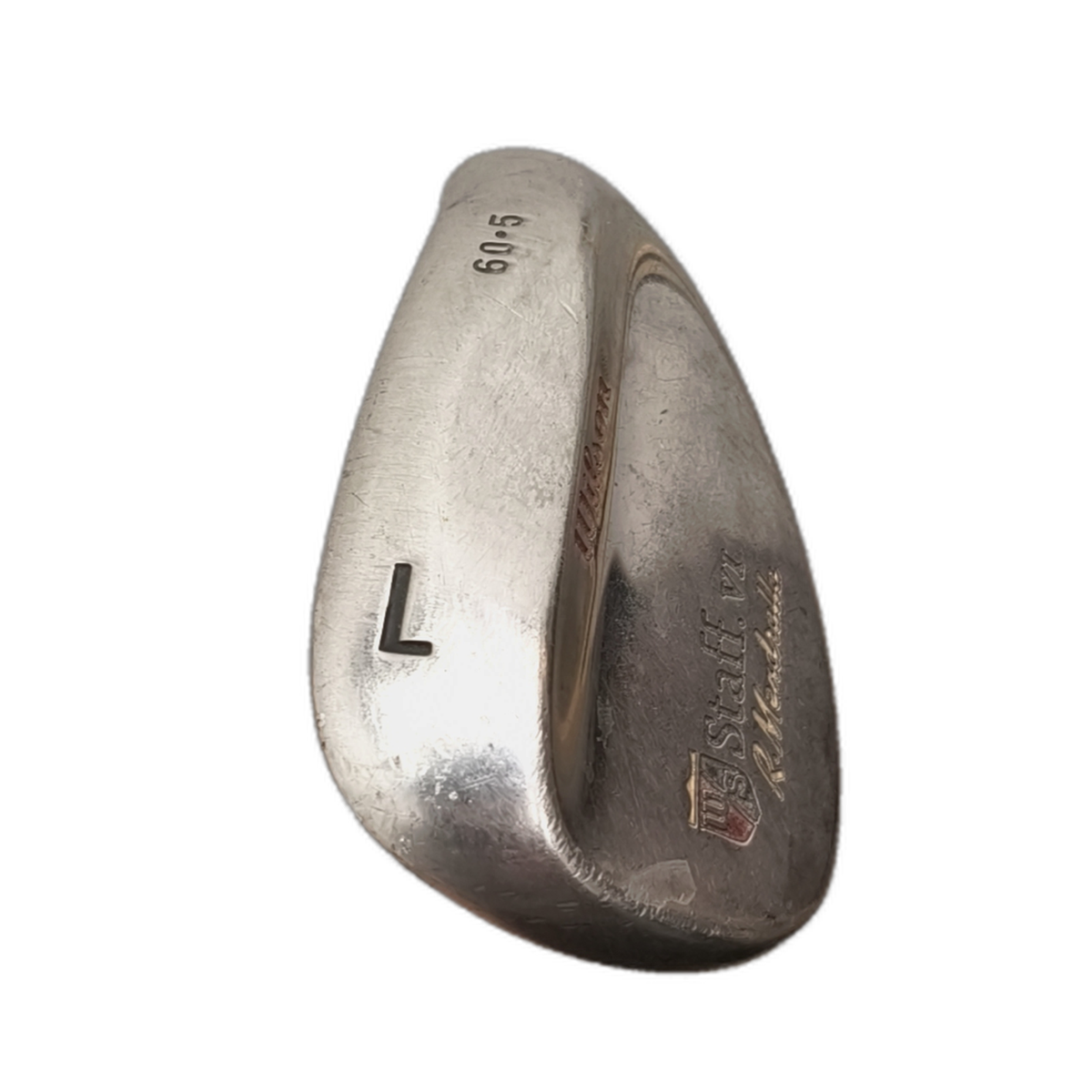
![Callaway CB12 Wedge / Flex Ladies / 60/12 [model:birefnet-general] [bg:handrolled]](http://weplayagain.com/cdn/shop/files/16350638047567-image-1.png?v=1790746123&width=1600)
![Callaway CB12 Wedge / Flex Ladies / 60/12 [model:birefnet-general] [bg:handrolled]](http://weplayagain.com/cdn/shop/files/16350638047567-image-2.png?v=1790746127&width=1600)
![Callaway CB12 Wedge / Flex Wedge / 60/12 [model:birefnet-general] [bg:handrolled]](http://weplayagain.com/cdn/shop/files/16350635721039-image-1.png?v=1790746173&width=1600)
![Callaway CB12 Wedge / Flex Wedge / 60/12 [model:birefnet-general] [bg:handrolled]](http://weplayagain.com/cdn/shop/files/16350635721039-image-2.png?v=1790746176&width=1600)
![Callaway CB12 Wedge / Flex Wedge / 60/12 [model:birefnet-general] [bg:handrolled]](http://weplayagain.com/cdn/shop/files/16350633066831-image-1.png?v=1790746227&width=1600)
![Callaway CB12 Wedge / Flex Wedge / 60/12 [model:birefnet-general] [bg:handrolled]](http://weplayagain.com/cdn/shop/files/16350633066831-image-2.png?v=1790746231&width=1600)
![Callaway CB12 Wedge / Flex Wedge / 58/12 [model:birefnet-general] [bg:handrolled]](http://weplayagain.com/cdn/shop/files/16350630773071-image-1.png?v=1790746202&width=1600)
![Callaway CB12 Wedge / Flex Wedge / 58/12 [model:birefnet-general] [bg:handrolled]](http://weplayagain.com/cdn/shop/files/16350630773071-image-2.png?v=1790746205&width=1600)
![Callaway CB12 Wedge / Flex Wedge / 56/14 [model:birefnet-general] [bg:handrolled]](http://weplayagain.com/cdn/shop/files/16350630510927-image-1.png?v=1790753773&width=1600)
![Callaway CB12 Wedge / Flex Wedge / 56/14 [model:silueta] [bg:handrolled]](http://weplayagain.com/cdn/shop/files/16350630510927-image-2.png?v=1790753787&width=1600)
![Callaway CB12 Wedge / Flex Ladies / 56/14 [model:birefnet-general] [bg:handrolled]](http://weplayagain.com/cdn/shop/files/16350626054479-image-1.png?v=1790746249&width=1600)
![Callaway CB12 Wedge / Flex Ladies / 56/14 [model:birefnet-general] [bg:handrolled]](http://weplayagain.com/cdn/shop/files/16350626054479-image-2.png?v=1790746252&width=1600)
![Callaway CB12 Wedge / Flex Wedge / 50/12 [model:silueta] [bg:handrolled]](http://weplayagain.com/cdn/shop/files/16350621761871-image-1.png?v=1790753769&width=1600)
![Callaway CB12 Wedge / Flex Wedge / 50/12 [model:silueta] [bg:handrolled]](http://weplayagain.com/cdn/shop/files/16350621761871-image-2.png?v=1790753773&width=1600)
![Callaway CB12 Wedge / Flex Wedge / 52/12 [model:birefnet-general] [bg:handrolled]](http://weplayagain.com/cdn/shop/files/16350621368655-image-1.png?v=1790754224&width=1600)
![Callaway CB12 Wedge / Flex Wedge / 52/12 [model:silueta] [bg:handrolled]](http://weplayagain.com/cdn/shop/files/16350621368655-image-2.png?v=1790754226&width=1600)
Frequently Asked Questions about wedges
How do I choose the right wedge for my playing style?
Match your swing type with the appropriate bounce. Steep swing angle = high bounce; flat swing angle = low bounce. Also consider the sole width – wider soles help in sand and soft grass.
What is the difference between forged and cast wedges?
Forged wedges are forged from a single piece of steel and provide softer feedback. Cast wedges are molded and slightly harder in feel, but more durable and often cheaper.
How does groove design affect my spin?
The depth, spacing, and angle between the grooves determine how much spin spin the ball gets. New grooves can provide up to 800 rpm more spin than worn ones.
Should I have the same shaft in all my wedges?
Yes, for consistent feel. But many choose a slightly heavier shaft in wedges for better control in short shots.
What does offset mean on a wedge?
Offset means that the face is slightly behind the shaft – it helps to avoid slice and provides more height in the shot.
How do I know if my grooves are worn?
Check if you can feel a distinct edge in the grooves with your nail. If they are smooth, you are losing spin – time for replacement.
How many wedges do I need?
Most play best with three – PW, SW, LW – but low-handicap players often add a GW to cover the distance gap.
How do loft and bounce affect my shots?
Loft controls the height; bounce helps the sole not to dig into the ground. The right combination provides cleaner contact and softer landing.
Buy Used Wedges & Chippers and Gain Control Over Your Short Game
In short: your wedges and perhaps a chipper – make the difference between a par and a bogey. These are the clubs you use closest to the flag, where precision matters most. Here you get an honest, practical guide to choosing, using, and maintaining wedges – explained as a golf buddy would do over a cup of coffee.
What is a wedge and why does it matter so much?
A wedge is a golf club for short shots with control and height. It helps you when the ball needs to be close to the green, over an obstacle, or out of the bunker. The loft (angle of the clubface) on a wedge is higher than on your irons, providing high ball flight and plenty of spin.
The four most common types are:
- Pitching Wedge (PW) – 44–48°, for longer shots towards the green.
- Gap / Approach Wedge (GW/AW) – 50–52°, fills the gap between PW and SW.
- Sand Wedge (SW) – 54–58°, ideal in bunkers and soft sand.
- Lob Wedge (LW) – 58–60°, used for high, short shots over bunkers or water.
These loft specifications match manufacturer data from Titleist, Cleveland, and Callaway. Good gapping (distance between wedges) means less guessing and fewer misunderstandings in lengths.
According to Golf Datatech (2023), wedges accounted for about 7–14% of total sales of irons and short-game equipment in Europe and North America. Globally, wedge sales are estimated at around 400–600 million USD annually, as part of a golf equipment market of approximately 8.5 billion USD (Statista, 2023).
Check out our selection of used Wedges & Chippers – everything is quality checked, so you know exactly what you're getting.
The Difference Between wedge and chipper
A chipper is like a cross between a wedge and a putter. The loft is around 32–37°, and it is used to roll the ball safely over the edge of the green. Perfect if you're struggling with duffed or topped chips.
Who benefits most from a chipper?
- Beginners who want security close to the green.
- Players looking for stability and less technique in short shots.
In short: A chipper makes your short shots more consistent. But if you want to control height and spin precisely, wedges are still indispensable.
How to Choose the Right Wedges
Here’s what you should consider when choosing wedges – especially used ones.
Loft and gapping
Check the loft of your Pitching Wedge. If you have 46°, choose, for example, 50°, 54°, and 58°. This provides even spacing of 10–15 meters between each wedge, according to fittings from Golf Datatech and Trackman.
| Loft | Typical Distance (full swing) |
|---|---|
| 46° (PW) | 110–120 m |
| 50° (GW) | 95–105 m |
| 54° (SW) | 80–90 m |
| 58° (LW) | 65–75 m |
Bounce and why it matters
Bounce is the angle that allows the clubface to strike the ground correctly.
- High bounce (10–14°) – best for soft turf and deep divots.
- Low bounce (6–8°) – good for dry courses and tight lies.
As a starting point, 10° is best suited for Danish conditions.
Grind – the shape of the sole
Grind is about how the sole is shaped. It affects how much you can open the clubface without raising the leading edge.
- S-grind: versatile and stable.
- C-grind: gives freedom for creative shots.
- W-grind: wide sole, high bounce – great in sand.
Manufacturers like Titleist and TaylorMade offer grind tools so you can match your wedge to your swing type and course.
Want to know the difference between your wedges in practice? Check under each product with us – we show grind, bounce and loft.
Also, check out our Iron Sets and Fairway Woods, so your setup is cohesive all the way from tee to green.
New materials for more feel and spin
Today's wedges are typically made from carbon steel with CNC-milled grooves, giving you more consistent spin. Manufacturers like Titleist, Cleveland and Callaway work with precise weight distributions, enhancing feel.
According to Golf Datatech, wedges accounted for 7–14% of the total short-game market in 2023, particularly driven by more advanced technology and personal fitting.
Popular models:
- Titleist Vokey SM series – precise grooves, many loft-/bounce combinations.
- Cleveland RTX ZipCore – lighter head, strong spin.
- Callaway Jaws Raw – untreated head provides extra bite in wet conditions.
We describe the condition as it is – for example, "light wear on the sole, no impact on performance." You always know what you're getting.
How many wedges should you have?
PGA players typically use 3–4 wedges. For most recreational golfers, three is sufficient:
- 46° PW – part of the iron set.
- 50° GW – for mid-range distances.
- 56° or 58° SW/LW – for sand and short shots.
If you have a low swing speed, stick to three. If you have more experience, four wedges can provide precise distance control.
A tip: Measure your distances on driving range. This way, you'll easily discover where a club is missing.
When you buy used – how to check the condition
Buying used wedges can be a steal if you know what to look for. At WePlayAgain you get pictures of exactly the wedge you are purchasing – not a standard model.
Check especially:
- Grooves (the grooves) – should be sharp.
- Grip – worn out? Then replace it. A cheap and quick fix.
- Shaft and head – check for scratches or bends.
According to Titleist (2019) spin can drop 10–20 % after 75–100 rounds, depending on cleaning and maintenance. Regular cleaning reduces this loss to around 10–15 % over the same period (source: Titleist & GolfWRX durability tests).
See also Iron sets under 2000 kr., Complete Sets or our Golf Grips, if you want to replace the grip.
A brief overview of chippers for those who want to make it easy
A chipper is fully legal on the course (as long as it meets the rule of one striking face). It is stable like a putter, but with a bit of loft, so the ball gets a little lift before rolling.
Examples of popular models:
- PING ChipR
- Wilson Harmonized Chipper
- Odyssey X-Act
The result? Calmer hands and smoother contact on short shots. It can be the difference between a double bogey and a safe par.
Maintenance and replacement
Even the best wedges wear down. When the grooves become rounded, the spin and control decrease.
How to keep your wedges sharp:
- Clean grooves with a brush after each round.
- Store dry – avoid moisture and rust.
- Check annually for wear.
Tests from GolfWRX and Titleist show that spin can noticeably decline after about 75 rounds if you do not clean regularly. If you see the ball rolling out more on the green than usual, it's time for a change.
Play smarter – your short game yields the most
According to PGA Tour‑statistics (2024) and analyses from Trackman and Golf Digest about 60–65 % of all shots are within 100 meters. This means that your short game actually determines your score – and that good wedges are an investment in a lower handicap.
Your next wedge – without stress
At WePlayAgain we make it safe to buy used wedges:
- Each wedge is described accurately and photographed individually.
- You get a 14-day trial period and a 2-year warranty.
- We respond honestly if you ask about loft, flex or bounce.
Are you in doubt? Use Contact us – we will go through your set together and provide realistic suggestions.
Other useful categories
Do you want to build your set completely from scratch?
- Driver Regular Flex
- Driver Stiff Flex
- Driver X-Stiff Flex
- Driver Shaft
- Utility Iron
- Fairway Shaft
- Hybrid Shaft
- Hybrid Head
- Club Heads
- Golf Headcover
- Putter Headcover
- Fairway Headcover
- Accessories
- Just Added
- Golf Balls
- Golf Shafts
And if you want to sell your old equipment:
In Short
- Start with 3–4 wedges and 4° difference in loft.
- Keep grooves and grip in good condition.
- Choose bounce according to the course: high in soft sand, low on firmer ground.
- Consider a chipper for confidence near the green.
- Remember: clean grooves gives more spin and better stopping power.
Do you want assurance in your purchase?
At WePlayAgain we describe everything as it is, take unique photos, and provide a 14-day trial period. This means: wedges and chippers you can trust – to pay for, and to play with.