
Filters
32 products
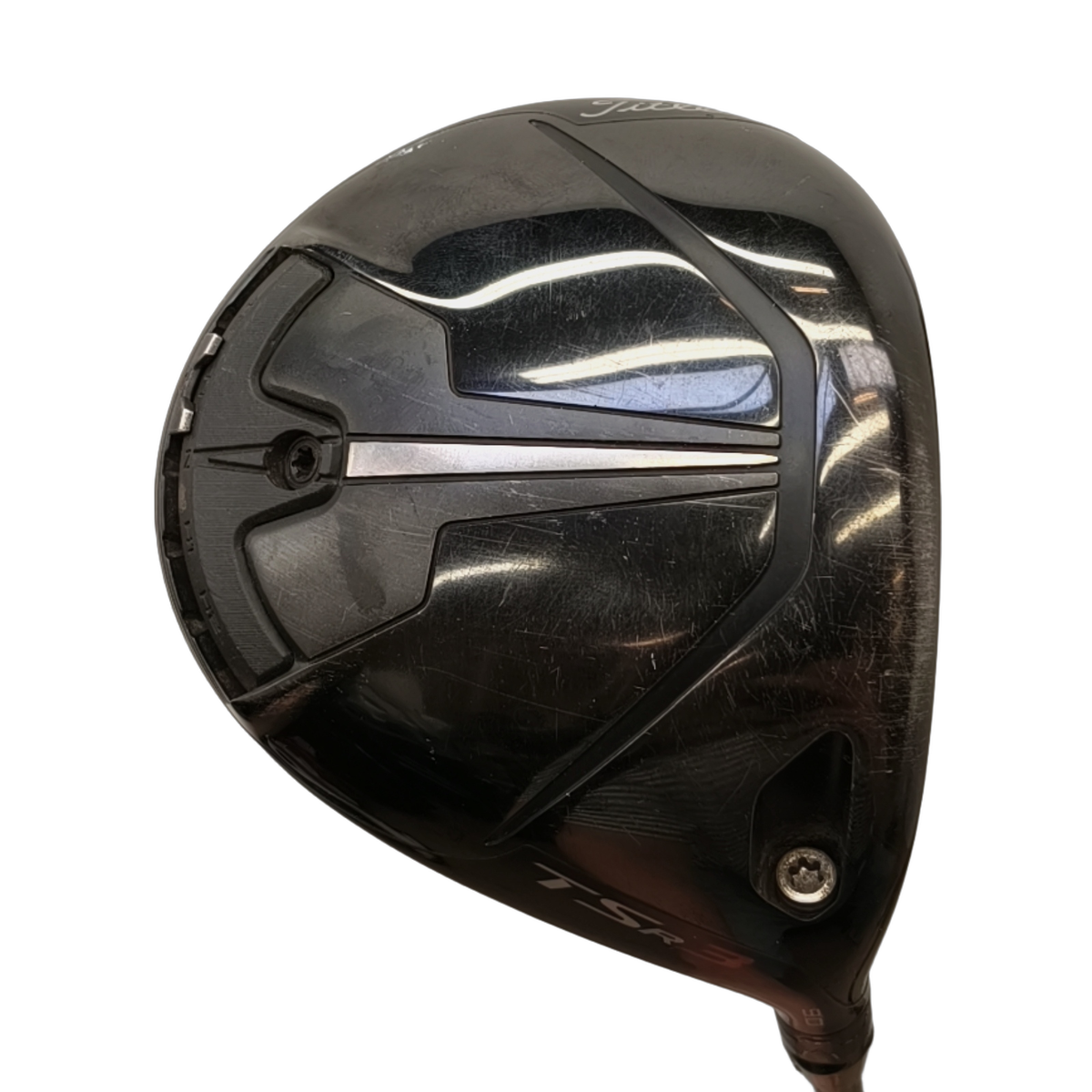
![Titleist TSR3 Driver / Flex X-Stiff / Loft 10 [bg:handrolled]](http://weplayagain.com/cdn/shop/files/16160948191567-image-1.png?v=1782129313&width=1600)
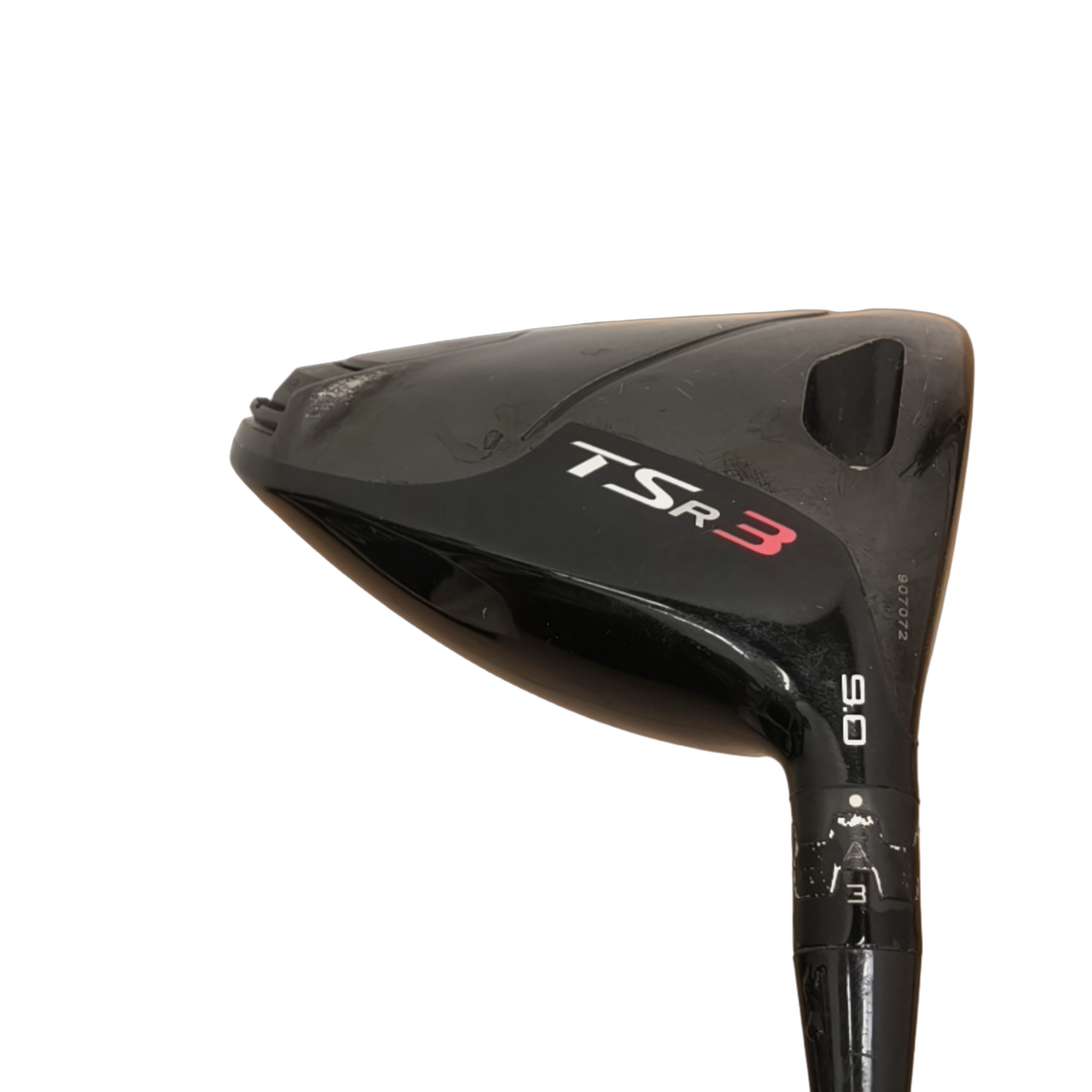
![Titleist TSR3 Driver / Flex X-Stiff / Loft 10 [bg:handrolled]](http://weplayagain.com/cdn/shop/files/16160948191567-image-2.png?v=1782129332&width=1600)
![PING G410 LST Driver / Flex X-Stiff / Loft 9 [model:birefnet-general] [bg:handrolled]](http://weplayagain.com/cdn/shop/files/16359475708239-image-1.png?v=1790845780&width=1600)
![PING G410 LST Driver / Flex X-Stiff / Loft 9 [model:birefnet-general] [bg:handrolled]](http://weplayagain.com/cdn/shop/files/16359475708239-image-2.png?v=1790845784&width=1600)
![Titleist 917 D3 Driver / Flex X-Stiff / Loft 8.5 [model:birefnet-general] [bg:handrolled]](http://weplayagain.com/cdn/shop/files/16359469547855-image-1.png?v=1790845072&width=1600)
![Titleist 917 D3 Driver / Flex X-Stiff / Loft 8.5 [model:birefnet-general] [bg:handrolled]](http://weplayagain.com/cdn/shop/files/16359469547855-image-2.png?v=1790845077&width=1600)


![Titleist TS3 Driver / Flex X-Stiff / Loft 9.5 [model:birefnet-general] [bg:handrolled]](http://weplayagain.com/cdn/shop/files/16342863282511-image-1.png?v=1790249694&width=1600)
![Titleist TS3 Driver / Flex X-Stiff / Loft 9.5 [model:birefnet-general] [bg:handrolled]](http://weplayagain.com/cdn/shop/files/16342863282511-image-2.png?v=1790249697&width=1600)
![Cobra Darkspeed LS Driver / Flex X-Stiff / Loft 9 [model:birefnet-general] [bg:handrolled]](http://weplayagain.com/cdn/shop/files/16338047533391-image-1.png?v=1790072502&width=1600)
![Cobra Darkspeed LS Driver / Flex X-Stiff / Loft 9 [model:birefnet-general] [bg:handrolled]](http://weplayagain.com/cdn/shop/files/16338047533391-image-2.png?v=1790072509&width=1600)
![Venstre TaylorMade SIM2 Driver / Flex X-Stiff / Loft 9 [model:silueta] [bg:handrolled]](http://weplayagain.com/cdn/shop/files/16289935982927-image-1.png?v=1787660266&width=1600)
![Venstre TaylorMade SIM2 Driver / Flex X-Stiff / Loft 9 [model:silueta] [bg:handrolled]](http://weplayagain.com/cdn/shop/files/16289935982927-image-2.png?v=1787660285&width=1600)
![Callaway Paradym Triple Diamond Driver / Flex X-Stiff / Loft 10.5 [model:silueta] [bg:handrolled]](http://weplayagain.com/cdn/shop/files/16283449393487-image-1.png?v=1787153445&width=1600)
![Callaway Paradym Triple Diamond Driver / Flex X-Stiff / Loft 10.5 [model:silueta] [bg:handrolled]](http://weplayagain.com/cdn/shop/files/16283449393487-image-2.png?v=1787153448&width=1600)
![Wilson DynaPWR LS Driver / Flex X-Stiff / Loft 10.5 [model:silueta] [bg:handrolled]](http://weplayagain.com/cdn/shop/files/16268333449551-image-1.png?v=1786449839&width=1600)
![Wilson DynaPWR LS Driver / Flex X-Stiff / Loft 10.5 [model:silueta] [bg:handrolled]](http://weplayagain.com/cdn/shop/files/16268333449551-image-2.png?v=1786449842&width=1600)
![Adamsgolf Super LS Speedline Driver / Flex X-Stiff / Loft 9.5 [model:silueta] [bg:handrolled]](http://weplayagain.com/cdn/shop/files/16239765651791-image-1.png?v=1784897794&width=1600)
![Adamsgolf Super LS Speedline Driver / Flex X-Stiff / Loft 9.5 [model:silueta] [bg:handrolled]](http://weplayagain.com/cdn/shop/files/16239765651791-image-2.png?v=1784897797&width=1600)
![Callaway Mavrik SubZero Driver / Flex X-Stiff / Loft 9 [bg:photoroom-fallback]](http://weplayagain.com/cdn/shop/files/16234593976655-image-1.png?v=1784635998&width=1600)
![Callaway Mavrik SubZero Driver / Flex X-Stiff / Loft 9 [bg:photoroom-fallback]](http://weplayagain.com/cdn/shop/files/16234593976655-image-2.png?v=1784636009&width=1600)
![Left Cobra LTDX LS Driver / Flex X-Stiff / Loft 9 [model:silueta] [bg:handrolled]](http://weplayagain.com/cdn/shop/files/16200221983055-image-1.png?v=1783425605&width=1600)
![Left Cobra LTDX LS Driver / Flex X-Stiff / Loft 9 [model:silueta] [bg:handrolled]](http://weplayagain.com/cdn/shop/files/16200221983055-image-2.png?v=1783425624&width=1600)
![Cleveland Classic XL Driver / Flex X-Stiff / Loft 9 [bg:photoroom-fallback]](http://weplayagain.com/cdn/shop/files/16200047821135-image-1.png?v=1783512685&width=1600)
![Cleveland Classic XL Driver / Flex X-Stiff / Loft 9 [model:silueta] [bg:handrolled]](http://weplayagain.com/cdn/shop/files/16200047821135-image-2.png?v=1783512698&width=1600)
Frequently Asked Questions about X-Stiff Drivers
What swing speed does X-Stiff require?
Generally over 105 mph. If you are lower, Stiff is usually better.
Does X-Stiff provide more distance?
Only if you have enough speed. Otherwise, you lose energy in the shot.
Are there downsides to a too stiff shaft?
Yes – too low ball flight, lack of feel, and loss of distance.
Can a X-Stiff shaft be retrofitted?
Yes, if the driver has an interchangeable hosel. A fitter can handle it in a few minutes.
Is there a difference between brands' X-Stiff?
Yes, the designations vary. A Ping X-Stiff can feel softer than a Callaway. Test before you buy.
X-Stiff Driver: When does an extra stiff shaft make sense?
Have you ever stood on the range and thought: “Does my shaft actually suit my swing?” That question comes up sooner or later for most who take golf a bit seriously. Today, we take a closer look at x stiff driver shafts - that is, the stiffest models that many associate with tour players and high swing speeds.
But is it the right choice for you? You will find out here.
What does X-Stiff actually mean?
An x stiff driver shaft (also called an extra stiff shaft for driver) bends very little during the shot. It is designed for players who swing at high speed - typically over 105 mph, about 170 km/h.
When the shaft doesn’t flex much, three things happen:
- The ball flies lower
- Spin is reduced
- The shot feels more controlled
For a player with a high swing speed, this means more stable direction and less dispersion in the wind. For a player with lower speed, it can feel heavy and “dead.”
Most modern x stiff driver shafts are made of graphite with layers of carbon fiber laid at different angles. This makes the shaft light but strong - and it is precisely this combination that many elite golfers are looking for.
How stiffness affects your game
An extra stiff shaft reacts quickly to your swing. You get a sense that the club follows precisely with your movement, without the shaft “whipping” through the ball. This can be an advantage - but only if you have the speed for it.
If you swing too slowly, the ball may lose height and distance. Conversely, with high speed, you may find that the ball flies flat, stable, and hits the fairway again and again.
Here is a rule of thumb that many club fitters use:
| Swing Speed | Recommended Flex | Typical Result |
|---|---|---|
| Under 95 mph | Regular | Higher ball flight, a bit more distance |
| 95–105 mph | Stiff | Good balance between height and control |
| Over 105 mph | X-Stiff | Lower spin and more precision |
Of course, this is only a guideline - there are always exceptions.
Weight, kickpoint, and all the technical details
Even small details in the shaft can change ball flight and feel. Here’s what you should know:
| Property | What it means | What you feel |
|---|---|---|
| Shaft weight | Typically 60–80 grams for X-Stiff | A lighter shaft provides more speed – but can feel unstable |
| Kickpoint | Where the shaft bends the most | High point = lower ball launch, low point = easier ball lift |
| Torque (twist) | How much the shaft twists | Low torque provides more precision, high torque gives a softer feel |
| Shaft length | Typically 45–46 inches | Longer = more speed, but harder to control |
| Installation | The transition between shaft and head | Affects adjustability and feel at impact |
A high kickpoint combined with a low torque typically suits players who hit hard and seek a flatter ball flight. If you need help getting the ball airborne, look for a lower kickpoint and a bit more flex in the middle of the shaft.
Why fitting is so important
Many are surprised when they get their equipment tested. A professional club fitting quickly shows how much weight, length, and flex matter. During a fitting, everything from spin and ball launch to rhythm and tempo is measured – often with a launch monitor that captures every detail.
A good fitter adjusts both the shaft length, loft, and lie on the driver head and the shaft assembly itself, so everything works together. You can even get a shaft retrofit if you want to upgrade your existing driver instead of buying new.
It may seem like a nerdy process, but the difference between a random and a custom shaft can be many yards – and several fairways per round.
Stiff or X-Stiff – which fits best?
Let's be honest: most amateur golfers don't fall into the X-Stiff category. A stiff driver often provides both better length and feel.
But if you have high speed, a controlled rhythm, and hit with a powerful transition, then x stiff driver shaft might be what gets your drives to land right in the middle of the fairway.
| Parameter | Stiff | X-Stiff |
|---|---|---|
| Swing Speed | 95–105 mph | 105+ mph |
| Flexibility | Mid-stiff | Very stiff |
| Ball Launch | Higher | Lower |
| Spin | Moderate | Low |
| Forgiveness | Greater | Less |
| Play Type | Advanced | Elite / tour-level |
If you have tried both types, you know how evident the difference feels. A shaft that is too stiff requires timing – if you lose the rhythm, it feels like hitting with a broomstick.
Three real examples
Jonas – club golfer with 97 mph:
Jonas He swung high and lost distance with Regular. After he switched to Stiff, the spin rate dropped significantly, and the ball flew 8 meters further. He hits the fairway more often now – and smiles wider on the 1st tee.
Louise – professional player, 108 mph:
She switched from Stiff to X-Stiff. The ball started to fly lower, spin’s dropped, and the dispersion was nearly halved. She describes it as “having calm in the hands” in headwinds.
Peter – experienced club player:
Peter swung high and inconsistently. A fitter discovered that his shaft was too soft. A heavier x stiff driver shaft provided a more stable rhythm and fewer mis-hits. He now hits double the number of fairways compared to before.
New materials and development
In recent years, manufacturers like Fujikura, Mitsubishi, and Project X have refined their golf shaft models with micro-layers of carbon and lighter resins. The result is shafts that combine low weight with remarkable stability.
At the same time, data from the PGA shows that only about 10% of amateurs actually have enough speed for X-Stiff. About 70% fall within Stiff or Regular. So no – you are not “behind” if you play with Stiff. You are just playing with what suits you best.
Price and value in used shafts
A new x stiff driver shaft can cost between 1,000 and 2,500 kroner, depending on the brand and material. However, the market for used equipment has grown enormously, and many today find top models at half price.
At us (WePlayAgain), each driver is manually inspected, and the pictures show exactly the item you are purchasing. A good used graphite shaft from Titleist, TaylorMade, or Callaway can perform just like a new one – as long as it is correctly installed.
If stiff is not for you, you can see all our used driver here
A few tips before you decide
- Check your tempo. A shaft that is too stiff often costs length.
- Match loft and shaft together. Fast swing and high speed typically require 9–10.5°.
- Look at ball flight. If the ball drops too quickly, flex is probably too hard.
- Test it out. Most brands offer trial periods – use them.
Remember: the best drive is not necessarily the longest, but the one you can rely on when you stand on the 18th tee with your heart racing.
The short of the long
An x stiff driver shaft is for you with high speed, consistent timing, and a desire for low spin and precise direction. However, for most people, a stiff shaft works better – it provides more height and an easier rhythm.
If you want to find out what suits you best, try different flex and see how the ball reacts.
With us, you will find both Stiff, X-Stiff, and Regular drivers, all honestly rated and ready for testing. Come by, or write if you want an honest opinion on which driver shaft flex will help you hit the fairway a little more often – and with a smile.