
Filters
276 products
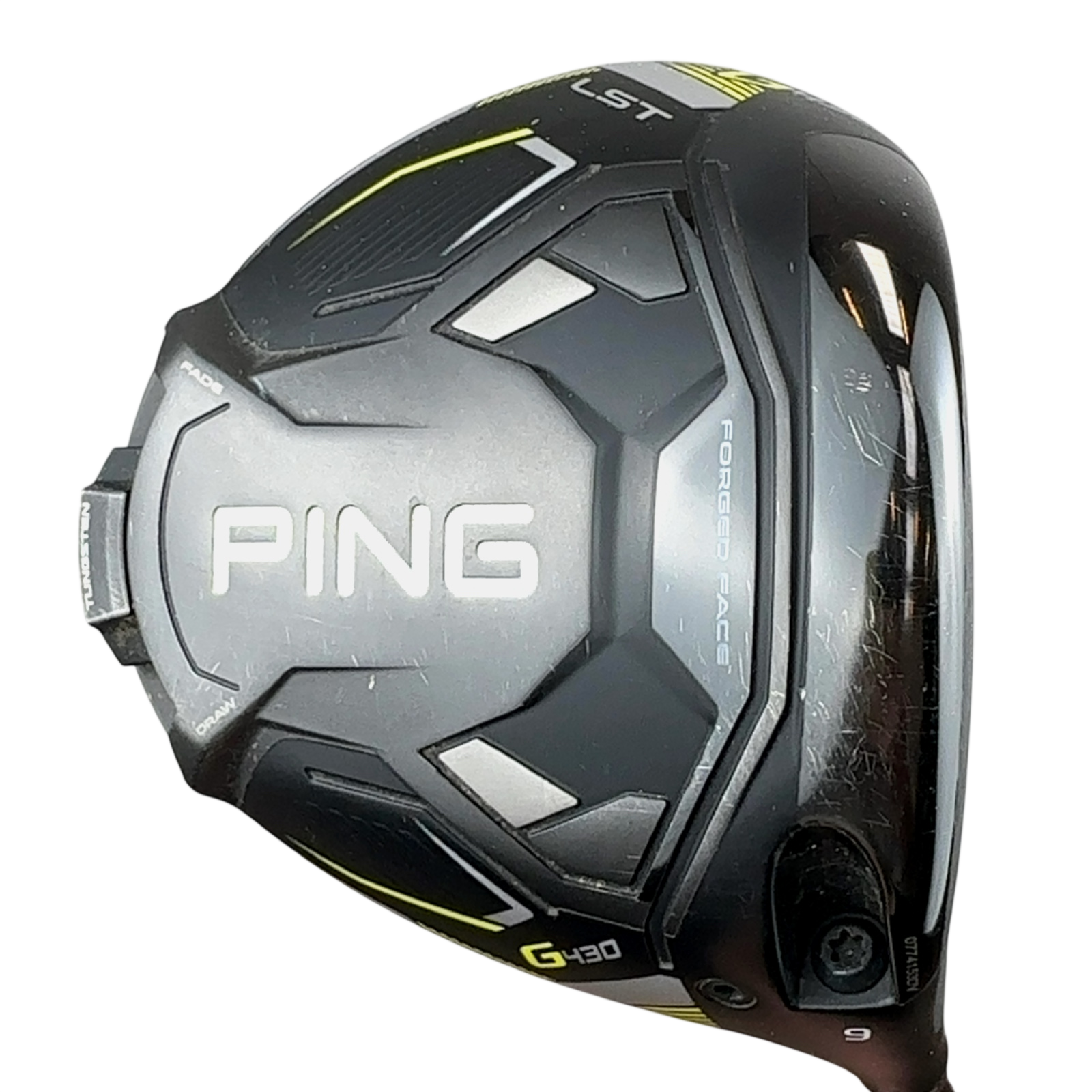
![Venstre Titleist TS3 Driver / Flex Stiff / Loft 9.5 [model:silueta] [bg:handrolled]](http://weplayagain.com/cdn/shop/files/16288578339151-image-1.png?v=1787578269&width=1600)
![Venstre Titleist TS3 Driver / Flex Stiff / Loft 9.5 [model:silueta] [bg:handrolled]](http://weplayagain.com/cdn/shop/files/16288578339151-image-2.png?v=1787578271&width=1600)
![TaylorMade SLDR Driver / Flex Stiff / Loft 10.5 [model:silueta] [bg:handrolled]](http://weplayagain.com/cdn/shop/files/16191247745359-image-1.png?v=1782993532&width=1600)
![TaylorMade SLDR Driver / Flex Stiff / Loft 10.5 [model:silueta] [bg:handrolled]](http://weplayagain.com/cdn/shop/files/16191247745359-image-2.png?v=1782993534&width=1600)
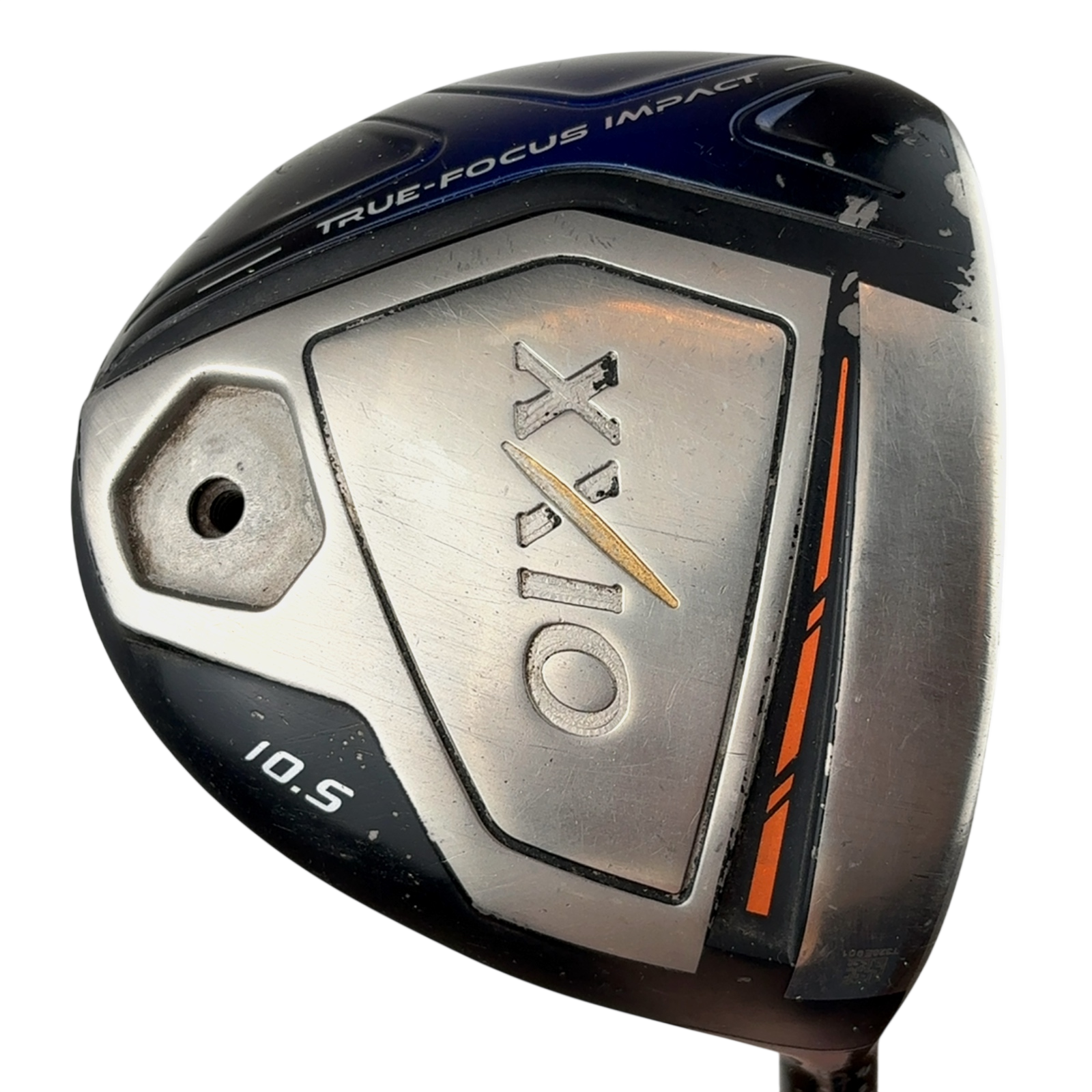
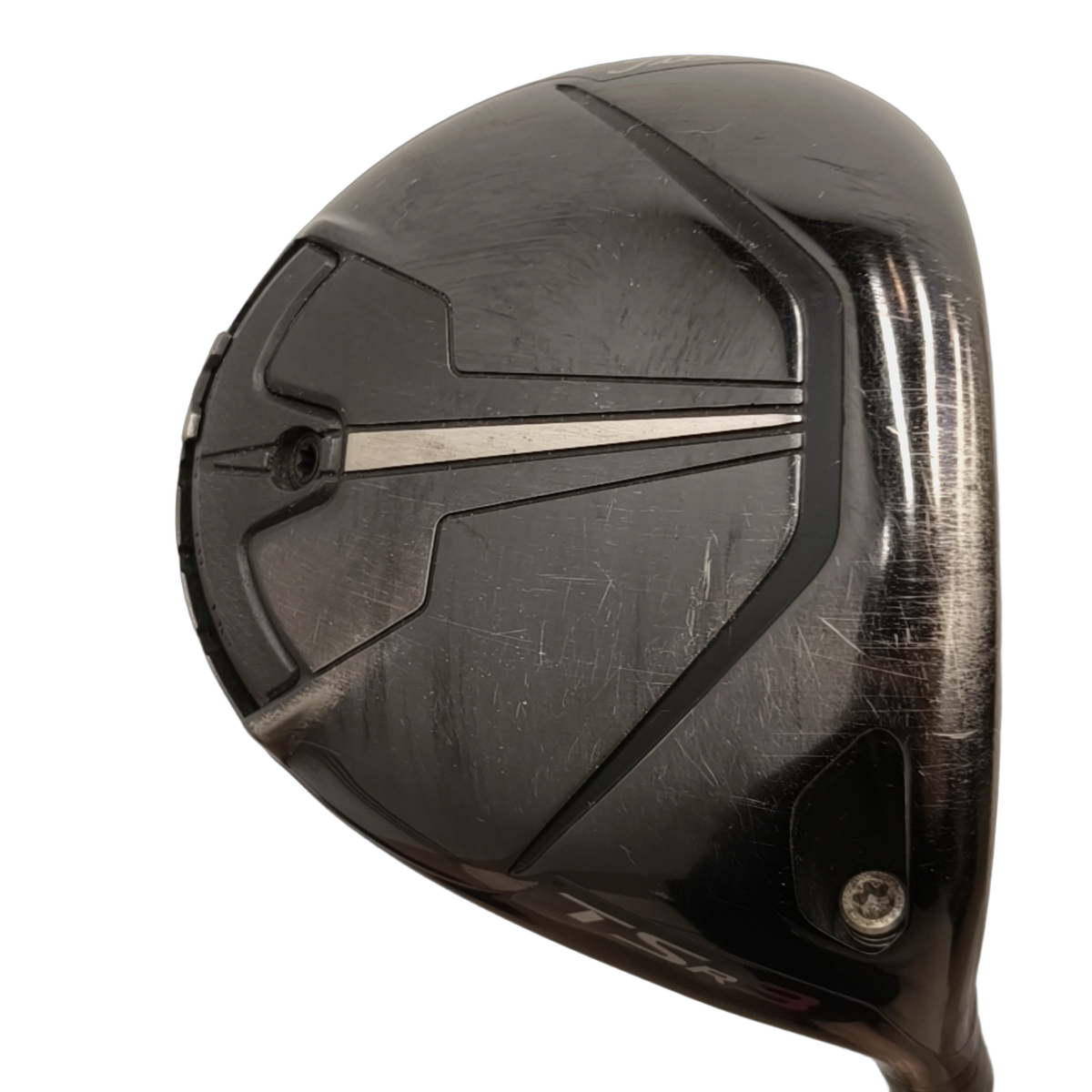


![TaylorMade R7 Quad Driver / Flex Stiff / Loft 9.5 [model:birefnet-general] [bg:handrolled]](http://weplayagain.com/cdn/shop/files/16359805026639-image-1.png?v=1790854700&width=1600)
![TaylorMade R7 Quad Driver / Flex Stiff / Loft 9.5 [model:birefnet-general] [bg:handrolled]](http://weplayagain.com/cdn/shop/files/16359805026639-image-2.png?v=1790854705&width=1600)
![Callaway FT-5 Draw Driver / Flex Stiff / Loft 8.5 [model:birefnet-general] [bg:handrolled]](http://weplayagain.com/cdn/shop/files/16359799521615-image-1.png?v=1790854936&width=1600)
![Callaway FT-5 Draw Driver / Flex Stiff / Loft 8.5 [model:birefnet-general] [bg:handrolled]](http://weplayagain.com/cdn/shop/files/16359799521615-image-2.png?v=1790854941&width=1600)
![Left PING G410 SFT Driver / Flex Stiff / Loft 10.5 [model:birefnet-general] [bg:handrolled]](http://weplayagain.com/cdn/shop/files/16359798145359-image-1.png?v=1790854508&width=1600)
![Left PING G410 SFT Driver / Flex Stiff / Loft 10.5 [model:birefnet-general] [bg:handrolled]](http://weplayagain.com/cdn/shop/files/16359798145359-image-2.png?v=1790854511&width=1600)
![Mizuno MP-600 Driver / Flex Stiff / Loft 9.5 [model:birefnet-general] [bg:handrolled]](http://weplayagain.com/cdn/shop/files/16359797457231-image-1.png?v=1790854612&width=1600)
![Mizuno MP-600 Driver / Flex Stiff / Loft 9.5 [model:birefnet-general] [bg:handrolled]](http://weplayagain.com/cdn/shop/files/16359797457231-image-2.png?v=1790854617&width=1600)
![TaylorMade R7 Superquad Driver / Flex Stiff / Loft 9.5 [model:birefnet-general] [bg:handrolled]](http://weplayagain.com/cdn/shop/files/16359740473679-image-1.png?v=1790854430&width=1600)
![TaylorMade R7 Superquad Driver / Flex Stiff / Loft 9.5 [model:birefnet-general] [bg:handrolled]](http://weplayagain.com/cdn/shop/files/16359740473679-image-2.png?v=1790854434&width=1600)
![Callaway X Driver / Flex Stiff / Loft 10 [model:birefnet-general] [bg:handrolled]](http://weplayagain.com/cdn/shop/files/16359633944911-image-1.png?v=1790848662&width=1600)
![Callaway X Driver / Flex Stiff / Loft 10 [model:birefnet-general] [bg:handrolled]](http://weplayagain.com/cdn/shop/files/16359633944911-image-2.png?v=1790848668&width=1600)
![Cobra King F9 Driver / Flex Stiff / Loft 10.5 [model:birefnet-general] [bg:handrolled]](http://weplayagain.com/cdn/shop/files/16359556809039-image-1.png?v=1790844648&width=1600)
![Cobra King F9 Driver / Flex Stiff / Loft 10.5 [model:birefnet-general] [bg:handrolled]](http://weplayagain.com/cdn/shop/files/16359556809039-image-2.png?v=1790844655&width=1600)
Frequently Asked Questions
How do I know if my shaft is too stiff?
If the ball flies low, loses height, and veers to the right, it is a typical sign. Try a softer shaft and see the difference.
Who should choose stiff flex?
Golfers with swing speeds from 95 mph and up, who prioritize control and precision.
How does loft affect ball flight?
A higher loft (10.5–12°) provides a higher arc and more carry. A low loft (8–10°) provides flatter flight and more roll.
What does cc mean in the driver head?
It is volume – 460cc provides the most forgiveness, while 430–445cc is typically chosen by advanced players who want to shape the ball themselves.
Are used drivers a safe choice?
Yes, when they are properly checked. We inspect the head, shaft, and grip on all used drivers with stiff before they are put up for sale.
Used Stiff Drivers for You with Speed in Your Swing
If you swing fast and want to hit the ball cleanly, a stiff driver is often the best choice. At WePlayAgain, you will find a wide selection of used stiff drivers that have been inspected, adjusted, and are ready to play with. Many players actually discover how much difference the right shaft makes when they try a few different models side by side.
What does it mean for a driver to be "stiff"?
A stiff shaft bends less during the swing. It is particularly suited for players with a swing speed around 95–105 mph. When the shaft doesn’t give as much, the energy is transferred more directly to the ball. The result is typically lower spin, a more consistent ball flight, and better control, especially in windy conditions.
In short:
- Less sidespin means more straight shots
- More consistent distance from shot to shot
- A firm and precise feel through impact
If you have a slightly slower tempo (under 95 mph), try a regular flex driver. It often provides a little extra distance and feels more natural to swing.
How do you choose the right stiff driver?
Three things make the biggest difference: shaft stiffness, loft, and shaft length.
- Shaft stiffness and material: Graphite shafts with stiff flex provide less twisting and a more stable direction.
- Loft: If you hit low, a loft of 10.5–12° can help you get the ball up.
- Length: A standard shaft provides more control. Longer shafts can give a bit more speed – but require precise timing.
Many brands like TaylorMade, Ping, and Callaway offer models where you can adjust loft, weight, and lie. This makes it easier to find the combination that suits your swing.
What does swing speed mean for selecting flex?
A good rule of thumb: The faster you swing, the stiffer the shaft you need. The table here provides an overview.
| Flex type | Typical swing speed | Benefits | Typical player |
|---|---|---|---|
| Ladies Flex | 60–75 mph | Easy to swing, high ball flight | Women, beginners |
| Senior Flex | 75–85 mph | Length with a relaxed tempo | Seniors |
| Regular Flex | 85–95 mph | Balanced control and length | Lightly experienced |
| Stiff Flex | 95–105 mph | Stable direction, lower spin | Experienced, low handicap |
| X-Stiff | 105+ mph | Maximum precision | Professional |
So it's not just about strength, but about rhythm and timing in your swing. Many are surprised by how much difference even a small shift in flexibility can make.
How does the shaft affect the ball flight?
A stiff shaft typically provides a lower and more penetrating ball flight. This means less spin and often more roll on the fairway. A softer shaft, on the other hand, sends the ball higher – good for players struggling to achieve height on their shots.
| Parameter | Stiff shaft | Soft shaft |
|---|---|---|
| Ball flight | Low and flat | High and soft |
| Spin | Low | High |
| Length | Requires speed | Helps at low speed |
| Feel | Firm and direct | Softer and more flexible |
Have you ever hit a drive that felt solid – but the ball flew low and to the right? Then you probably have a shaft that is too stiff. The opposite – a hook and balloon flight – indicates a shaft that is too soft.
Different models and types
Driver models vary quite a bit. Some have draw bias, which helps against a slice. Others have fade bias for those who often close the clubface too much.
When you look at a driver, pay attention to:
- Head size: 460cc provides the most forgiveness
- Loft: 9°–12° depending on your ball flight
- Offset: Can help you square the clubface
- Adjustment options: Many modern drivers can be adjusted in loft, lie and weight
It’s worth trying a few different brands – they feel very different, even when the specifications on paper look similar.
Custom fitting: get the equipment to fit you
A custom fitting can be an eye-opener. Here, your swing speed, launch, spin and tempo are measured to help you find the shaft and driver head that fit best. According to independent tests (including from MyGolfSpy and PGA), a good fitting can provide an extra 10–20 yards of distance and more accuracy.
You can book a fitting at a pro – or contact us if you want advice on driver shafts and flex types. We are happy to help find what feels right for you.
What do the players say?
Players who have switched from regular to stiff often report lower spin (typically 300–400 rpm less) and more stability in ball flight. One player described it this way:
“I thought I was swinging too slowly for a stiff shaft, but after two rounds I could see the ball was flying straighter – and staying on the fairway.”
Conversely, some experience that a shaft that is too stiff costs distance because it doesn’t get to “snap” at the right time. This just confirms that tempo and feel need to match the equipment.
Common mistakes and easy fixes
- Too stiff shaft: Low ball flight, slice, loss of distance
- Too soft shaft: Hook, high ball flight, inconsistent direction
- Solution: Test the same driver head with different flex – the difference is noticeable after just a few shots.
A good tip: During fitting, you should always start with the shaft. It affects spin and launch much more than most think.
Technical differences in numbers
| Parameter | Regular Flex | Stiff Flex | X-Stiff |
|---|---|---|---|
| Swing Speed (mph) | 85–95 | 95–105 | 105+ |
| Spin (rpm) | 2700–3100 | 2200–2600 | 1900–2300 |
| Launch-angle (°) | 13–15 | 10–12 | 8–10 |
| Control | Medium | High | Very high |
Manufacturers such as Titleist, Ping and Callaway show the same trends in their tests: Players with high swing speed get the most out of a stiff shaft, both in length and stability.
Stiff, Regular, X-Stiff, Senior or Ladies?
| Flex-type | Advantages | Disadvantages | Typical player |
|---|---|---|---|
| Ladies | Light and easy to swing | Less precision | Women, low speed |
| Senior | Helps length at low speed | High spin | Calm tempo |
| Regular | Comfortable rhythm, good length | Less control | Intermediate players |
| Stiff | Direction and stability | Requires speed | Advanced |
| X-Stiff | Very precise | Difficult to activate | Professional |
If you swing fast and want to control the ball's trajectory, try stiff flex. If you are looking more for comfort and rhythm, regular or senior flex are often better.
Finally
A stiff driver is not just for professionals. It suits anyone who swings with tempo and wants to hit straight – even on those days when the rhythm isn’t quite there.
At WePlayAgain, you will find used stiff drivers, driver shafts and everything you need to adjust your game.
If you are unsure about which driver flex suits you best, contact us – we will respond honestly and help you find the model that feels just right in your hands.