
Filters
957 products
![Venstre Mizuno JPX 925 Forged Jernsæt / 5-PW / Flex Stiff / Grafit [model:birefnet-general] [bg:handrolled]](http://weplayagain.com/cdn/shop/files/16173798162767-image-1.png?v=1782809657&width=1600)
![Venstre Mizuno JPX 925 Forged Jernsæt / 5-PW / Flex Stiff / Grafit [model:birefnet-general] [bg:handrolled]](http://weplayagain.com/cdn/shop/files/16173798162767-image-2.png?v=1782809668&width=1600)
![Mizuno JPX 921 Hot Metal Jernsæt / 6-PW / Flex Regular / Grafit [model:birefnet-general] [bg:handrolled]](http://weplayagain.com/cdn/shop/files/16284184674639-image-1.png?v=1787227548&width=1600)
![Mizuno JPX 921 Hot Metal Jernsæt / 6-PW / Flex Regular / Grafit [model:birefnet-general] [bg:handrolled]](http://weplayagain.com/cdn/shop/files/16284184674639-image-2.png?v=1787227570&width=1600)


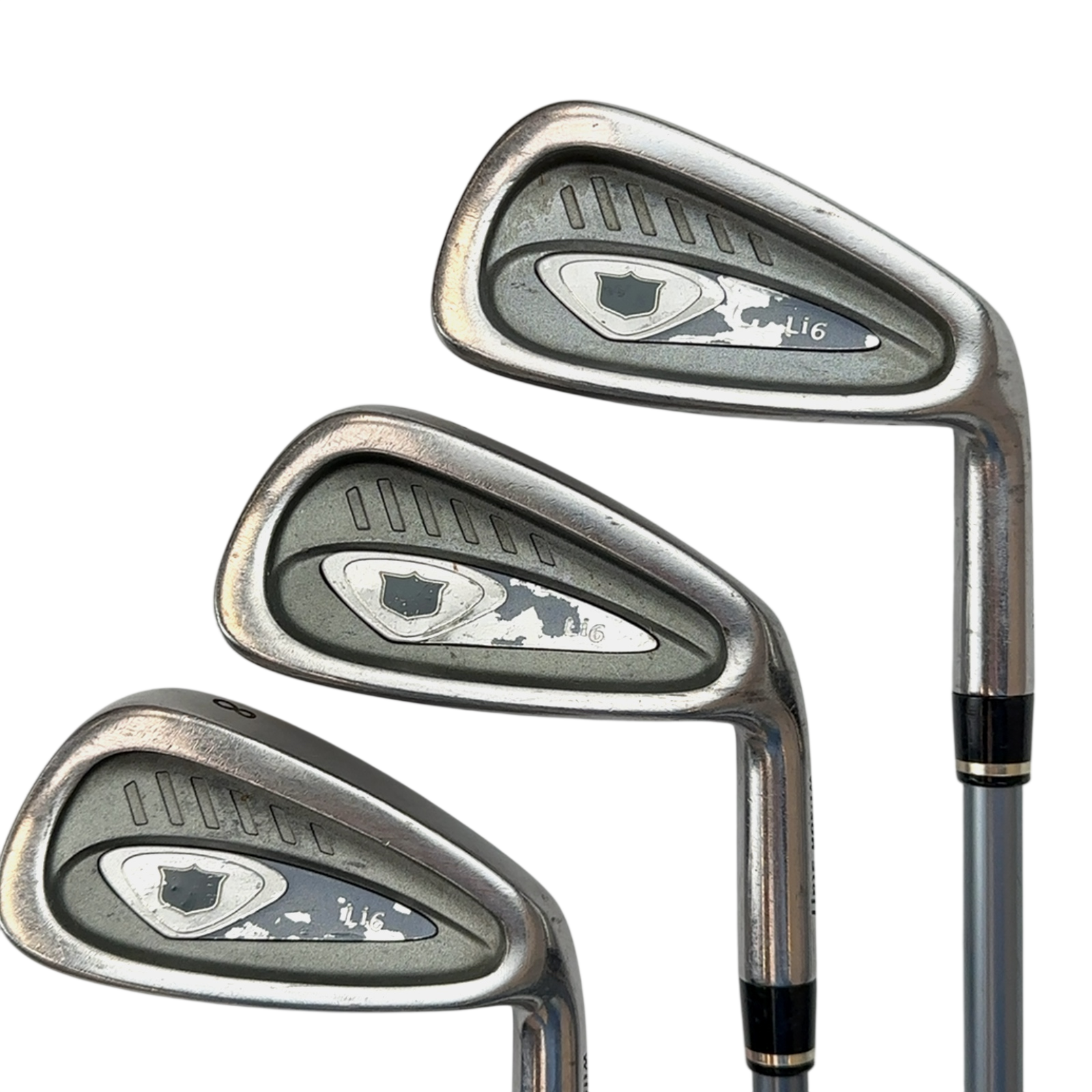
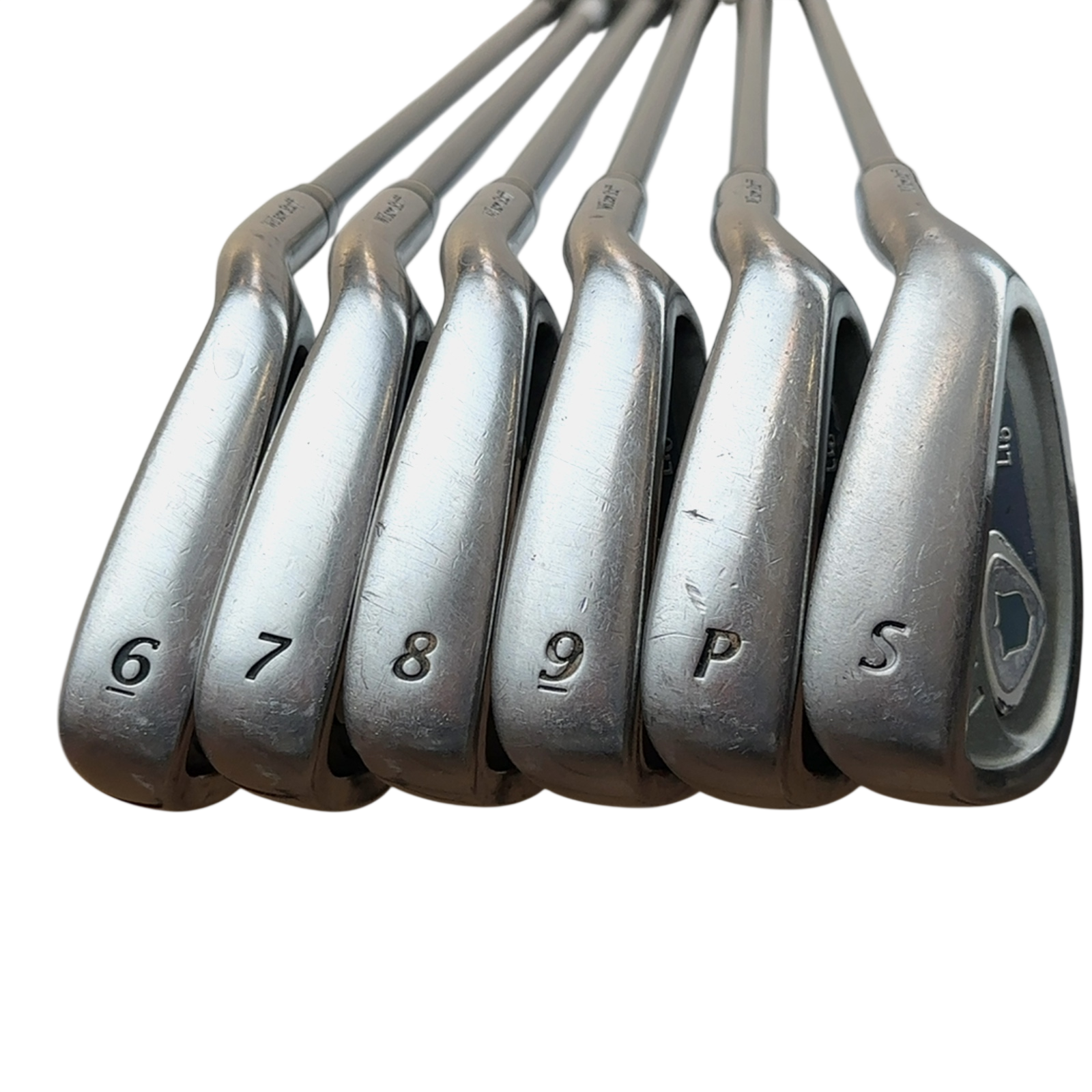
![Venstre Wilson D200 Jernsæt / 5-PW+SW / Flex Regular / Grafit [model:birefnet-general] [bg:handrolled]](http://weplayagain.com/cdn/shop/files/16295868006735-image-1.png?v=1788338770&width=1600)
![Venstre Wilson D200 Jernsæt / 5-PW+SW / Flex Regular / Grafit [model:birefnet-general] [bg:handrolled]](http://weplayagain.com/cdn/shop/files/16295868006735-image-2.png?v=1788338786&width=1600)
![Venstre Titleist T250★ Jernsæt / 6-PW+GW / Flex A-flex / Grafit [model:birefnet-general] [bg:handrolled]](http://weplayagain.com/cdn/shop/files/16317629333839-image-1.png?v=1789130050&width=1600)
![Venstre Titleist T250★ Jernsæt / 6-PW+GW / Flex A-flex / Grafit [model:birefnet-general] [bg:handrolled]](http://weplayagain.com/cdn/shop/files/16317629333839-image-2.png?v=1789130054&width=1600)
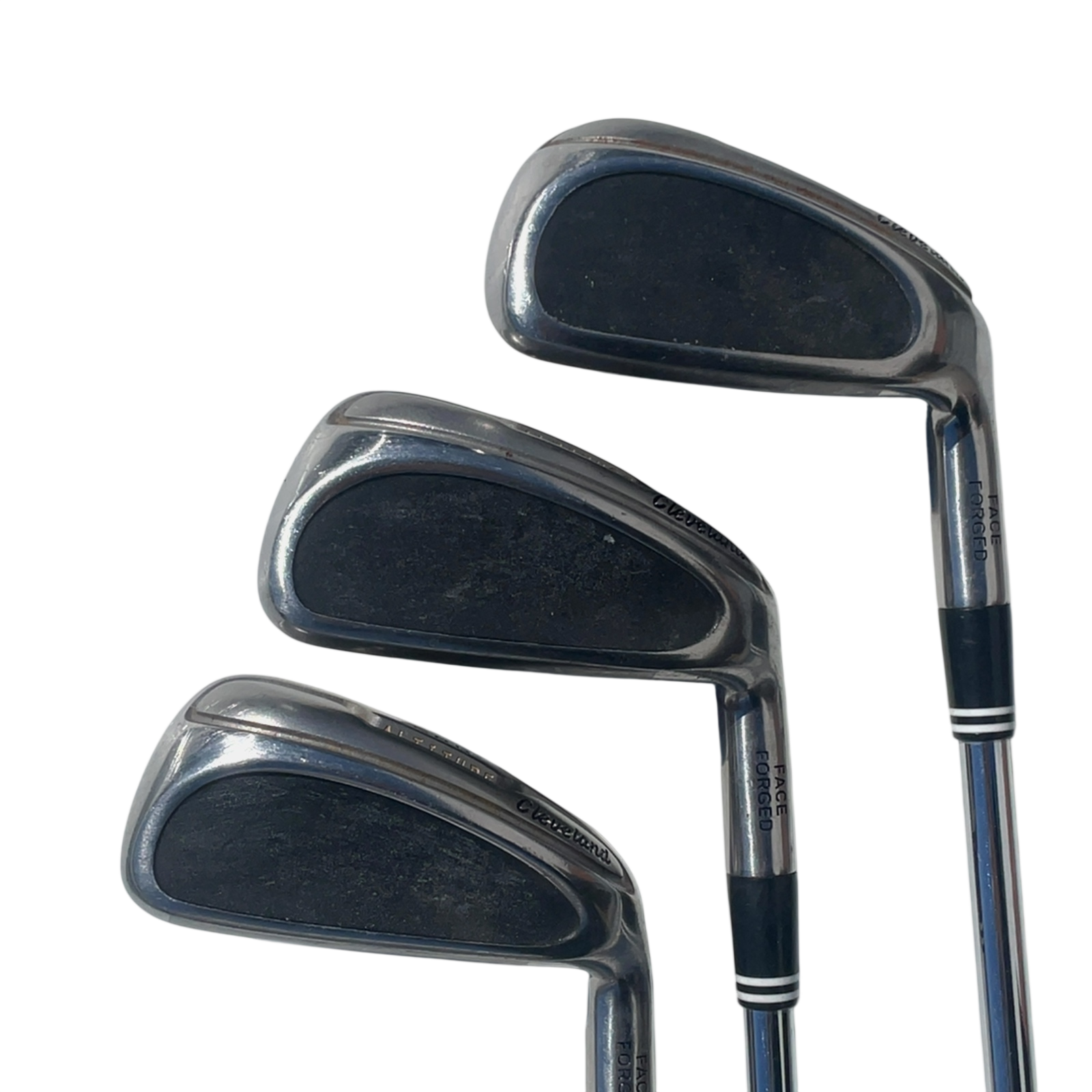
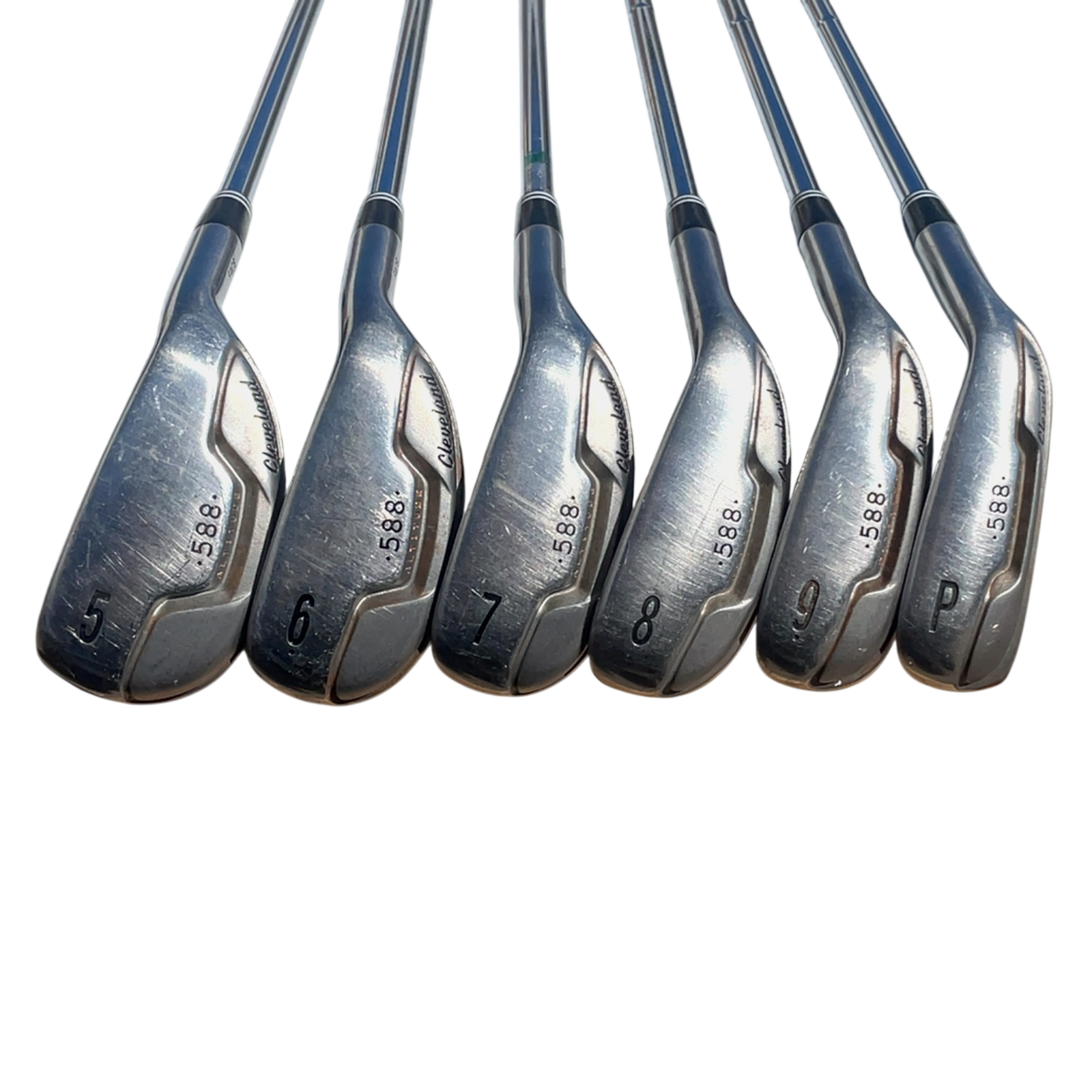
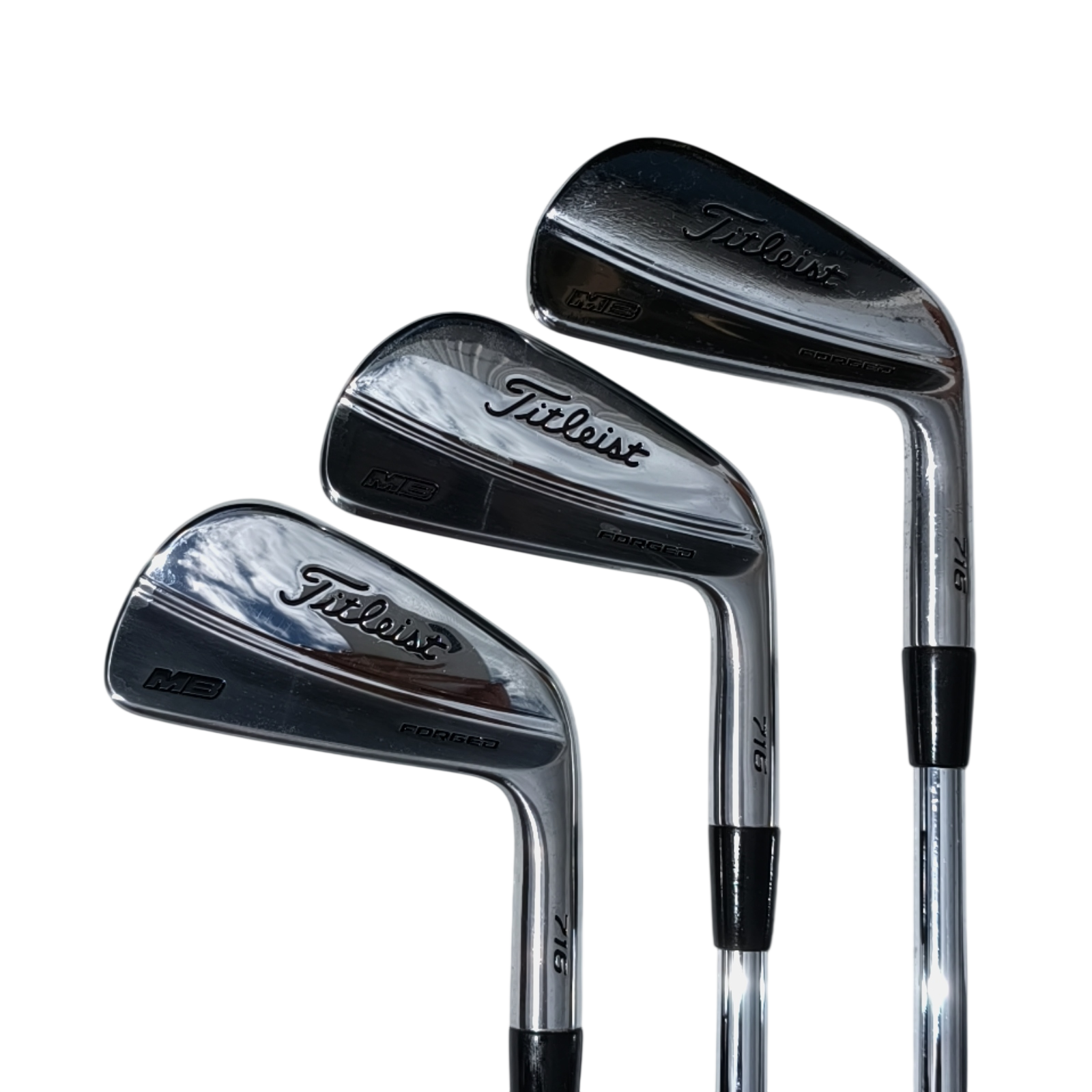
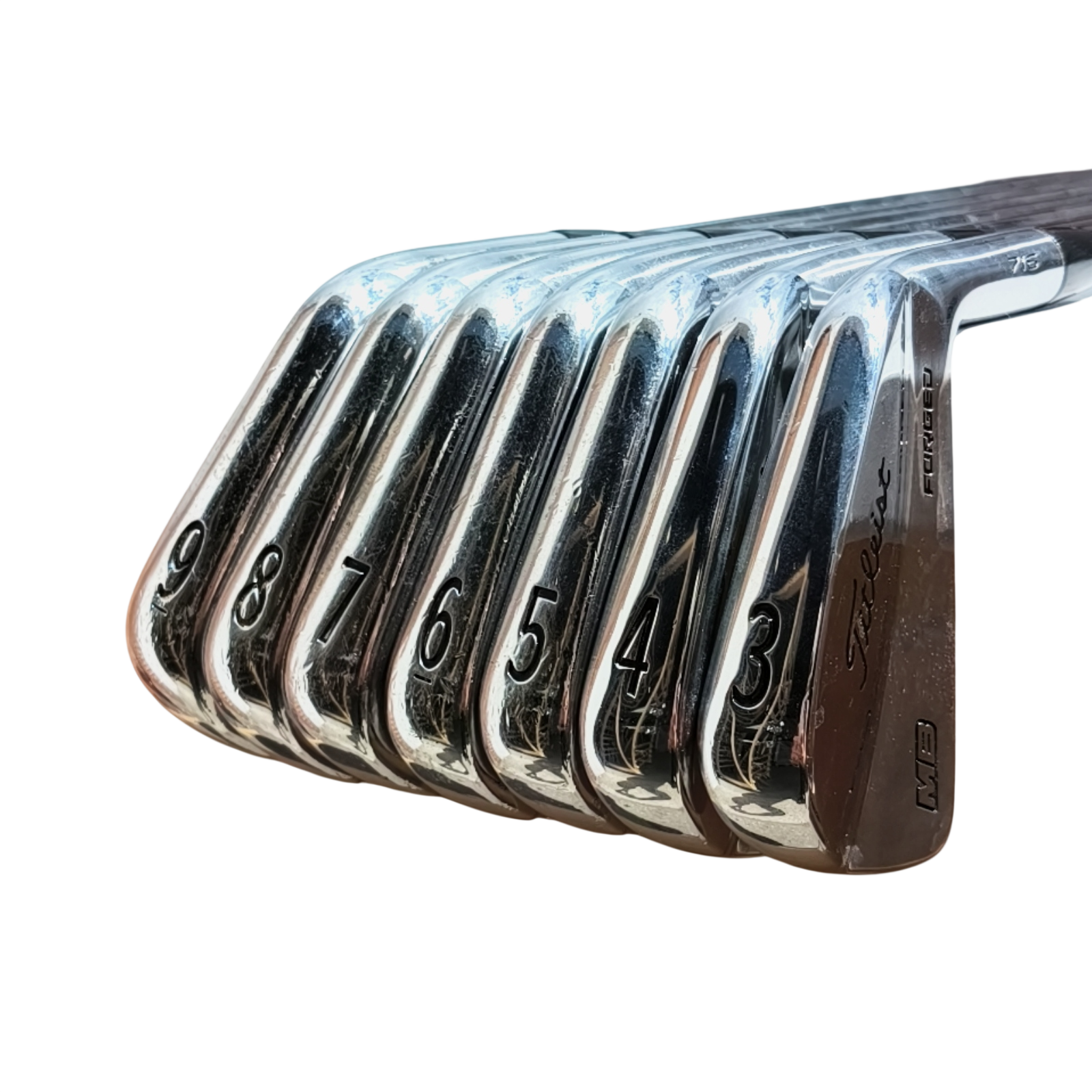
![Venstre PING G730 Jernsæt / 6-PW+GW / Flex Regular / Grafit [model:birefnet-general] [bg:handrolled]](http://weplayagain.com/cdn/shop/files/16283217494351-image-1.png?v=1787227304&width=1600)
![Venstre PING G730 Jernsæt / 6-PW+GW / Flex Regular / Grafit [model:birefnet-general] [bg:handrolled]](http://weplayagain.com/cdn/shop/files/16283217494351-image-2.png?v=1787227325&width=1600)
![Titleist 620 MB Jernsæt / 5-9i / Flex X-Stiff / Stål [model:birefnet-general] [bg:handrolled]](http://weplayagain.com/cdn/shop/files/16173684359503-image-1.png?v=1782811607&width=1600)
![Titleist 620 MB Jernsæt / 5-9i / Flex X-Stiff / Stål [model:birefnet-general] [bg:handrolled]](http://weplayagain.com/cdn/shop/files/16173684359503-image-2.png?v=1782811617&width=1600)
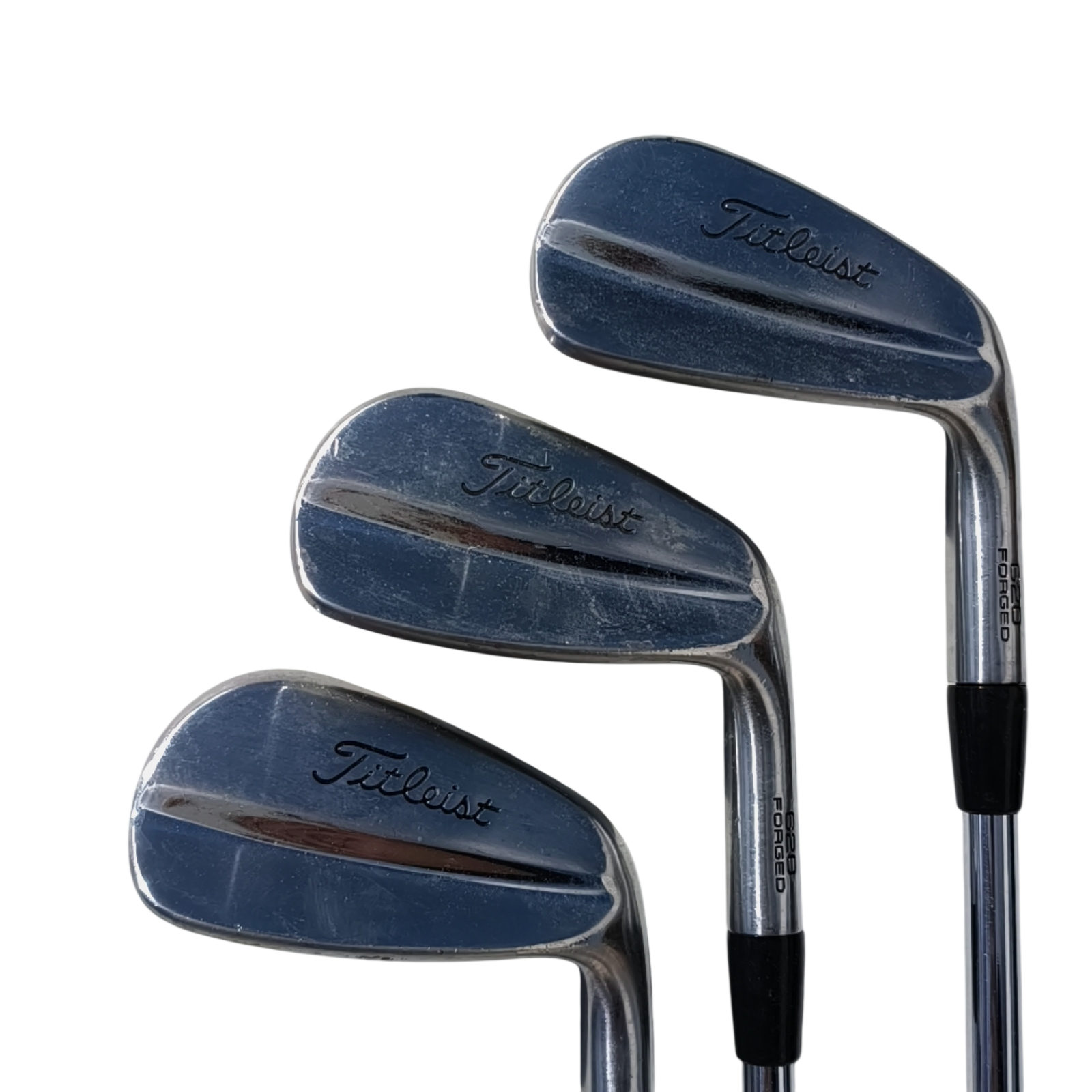
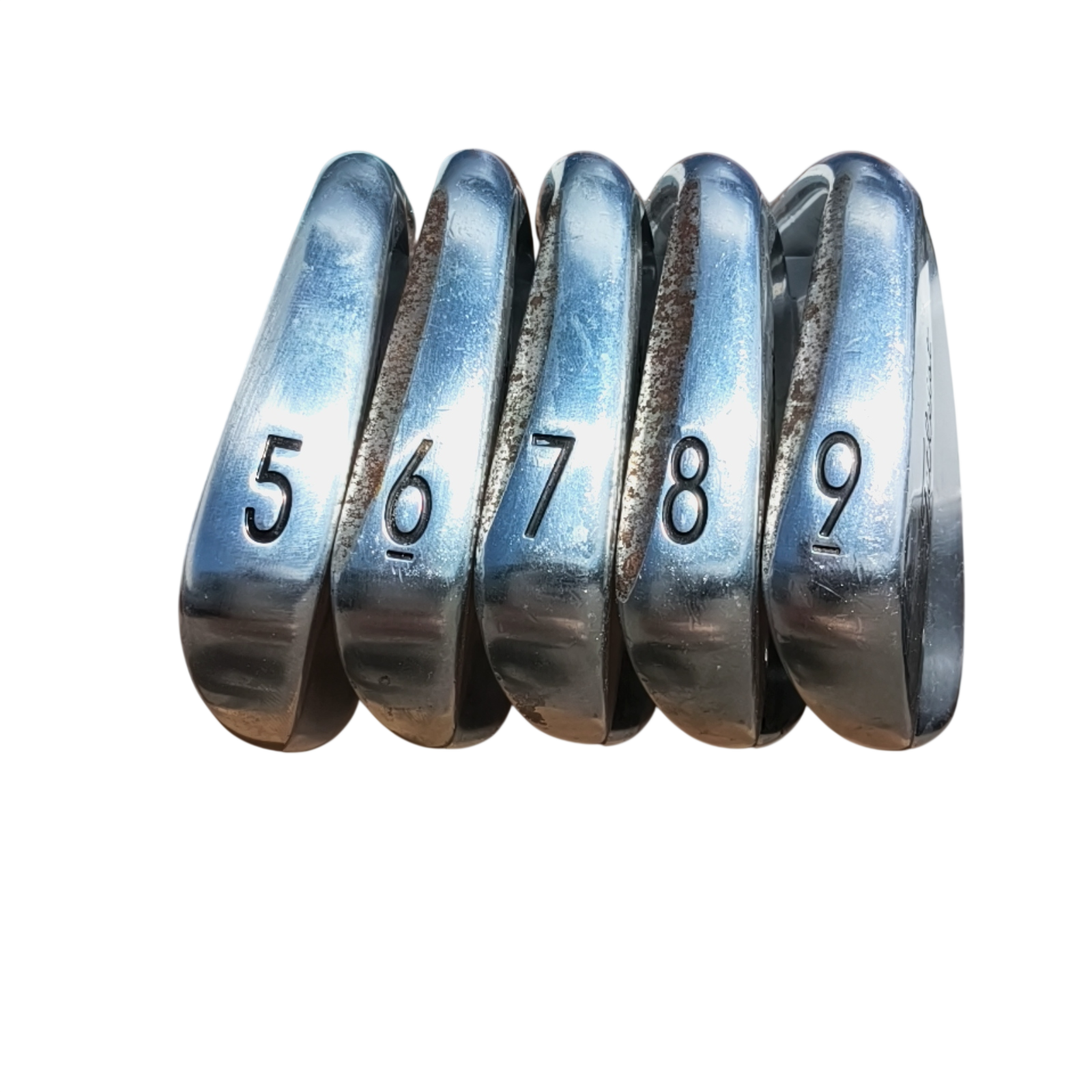


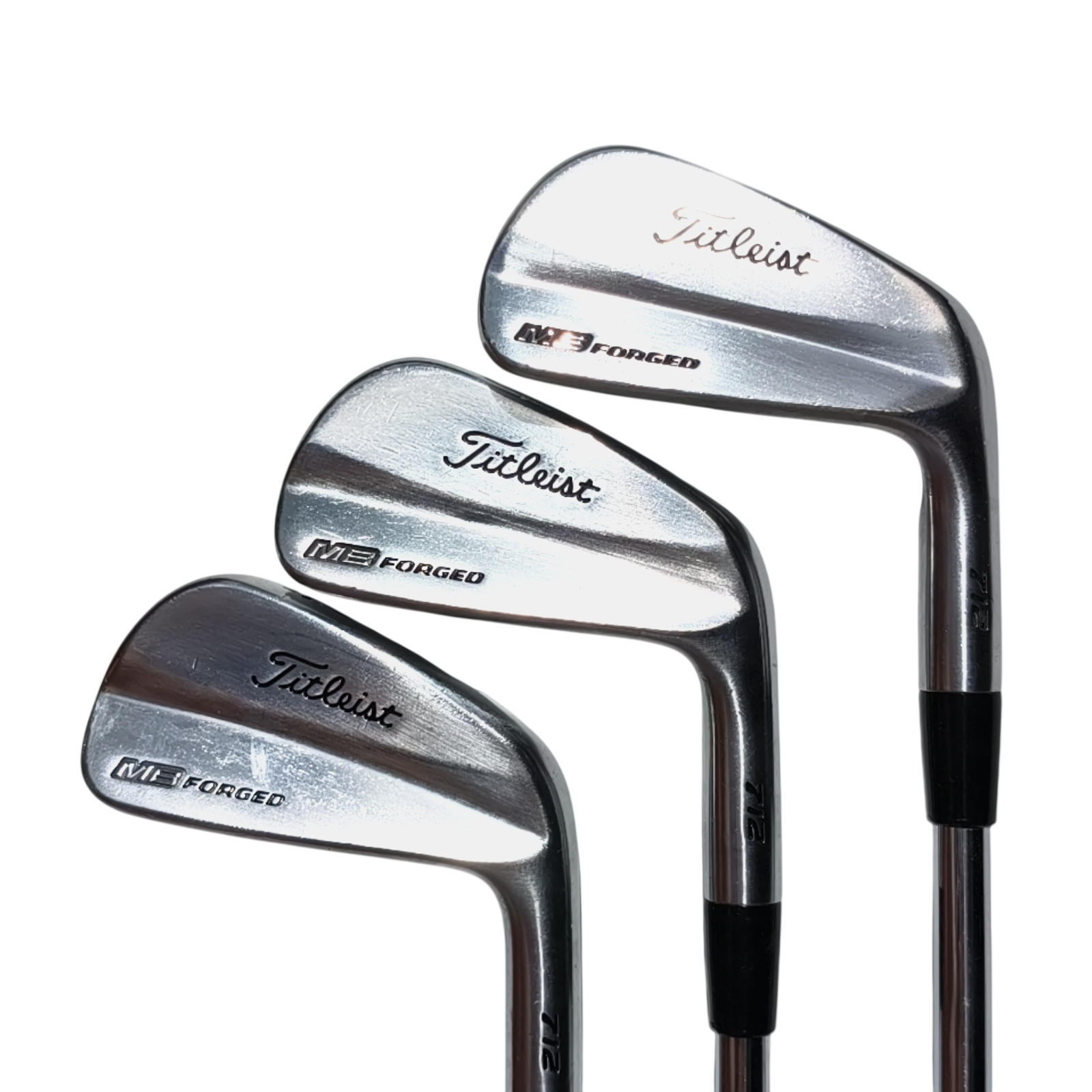
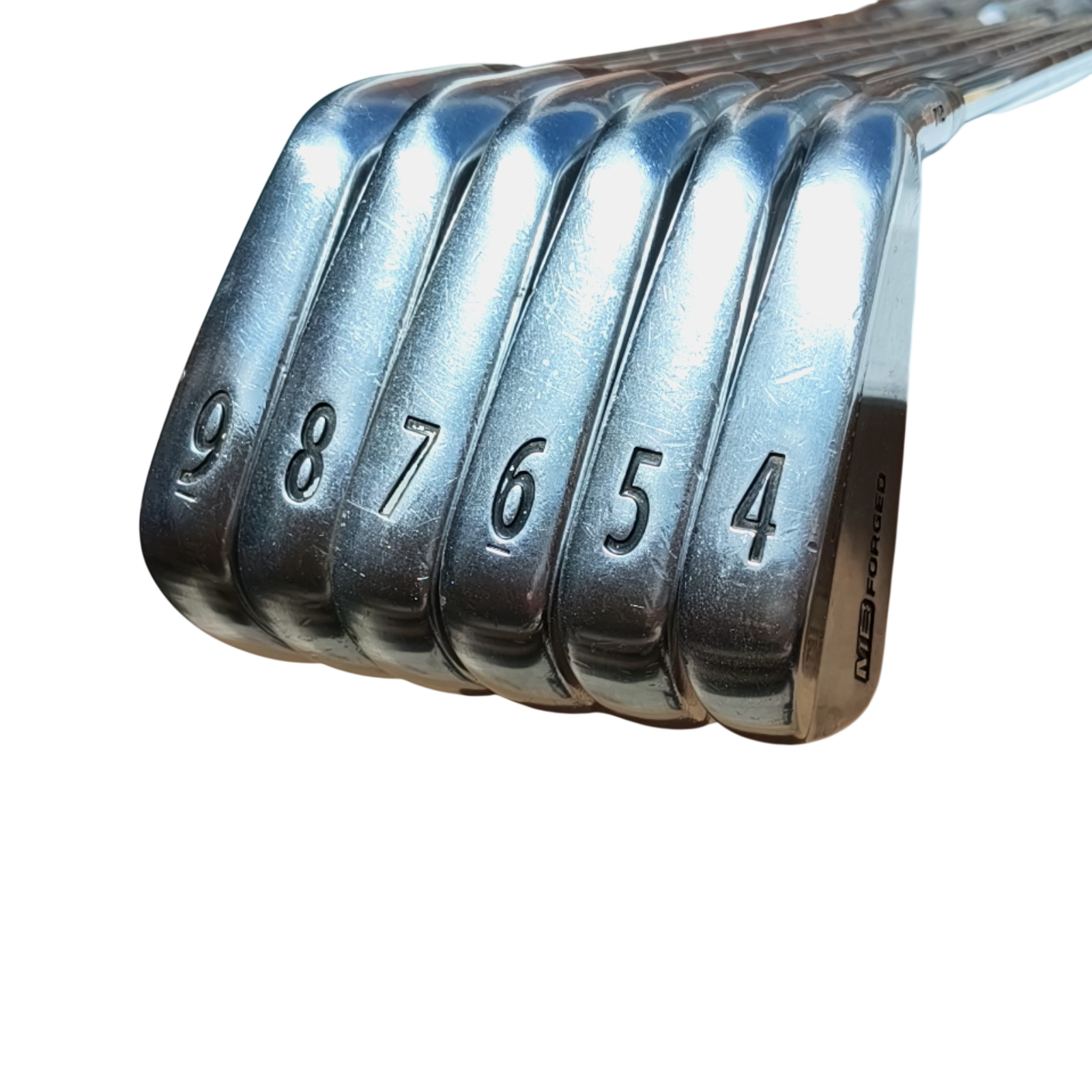
![PING G400 Iron Set / 5-PW+GW+SW / Flex Regular / Graphite [model:birefnet-general] [bg:handrolled]](http://weplayagain.com/cdn/shop/files/16203605508431-image-1.png?v=1783589073&width=1600)
![PING G400 Iron Set / 5-PW+GW+SW / Flex Regular / Graphite [model:birefnet-general] [bg:handrolled]](http://weplayagain.com/cdn/shop/files/16203605508431-image-2.png?v=1783589085&width=1600)
![Cobra T-Rail Gen. 3-Piece Iron Set / 5-PW / Flex A-flex / Graphite [model:birefnet-general] [bg:handrolled]](http://weplayagain.com/cdn/shop/files/16260090200399-image-1.png?v=1786019299&width=1600)
![Cobra T-Rail Gen. 3-Piece Iron Set / 5-PW / Flex A-flex / Graphite [model:birefnet-general] [bg:handrolled]](http://weplayagain.com/cdn/shop/files/16260090200399-image-2.png?v=1786019314&width=1600)


How to choose the right used iron set?
A good iron set is the backbone of your golf game. Whether you're hitting your first 7-iron or chasing better feel around the green, the difference between the right and wrong set is noticeable from the first shot. Here you get an easy guide that collects everything our research shows that golfers are looking for and then explains it at eye level.
What is an iron set and why does it matter so much?
An iron set (in English “golf irons”) typically consists of six or seven clubs – from 5-iron to pitching wedge. Some sets start at 4-iron, but for most, 5–PW is more than enough.
The difference between each iron is about loft – that is, the angle of the clubhead – and shaft length. A low loft (for example, 5-iron) gives longer shots. A high loft (like 9-iron) lifts the ball higher but shorter.
This means for you that you can cover distances from about 120 to 170 meters with a single set. And that is precisely why the iron set is the foundation of one’s game – they are the clubs you use most often in a round.
Types of iron sets and which one is right for you?
There is no one “best iron set.” It’s about your level, your swing speed, and how much “help” you need in your shots. Here are the main types explained briefly:
Game-improvement irons
Designed to forgive your mistakes. They have larger heads, wider soles, and a lower center of gravity.
Suitable for: Beginners and mid-level players who want stable contact and more distance.
Players-distance irons
More compact but still forgiving. Typically for players with consistent ball striking who want a bit more control.
Blade (or muscle-back) irons
Narrow heads with less sweet spot. They provide maximum control – but require precision.
Suitable for: Skilled golfers with a low handicap.
A small tip: If you are new, start with game-improvement. You can always switch to smaller heads when you start hitting the sweet spot of sweet spot more often.
Should you choose graphite or steel shafts as material?
An iron set is not just about the heads. The shaft is everything for how you hit the ball.
- Steel shafts: Classic choice, heavier and provides good control. Suitable for you with moderate to high swing speed.
- Graphite shafts: Lighter and more flexible. Provides a higher ball flight and a bit more distance – especially for players with lower swing speed (typically seniors or female players).
If you are in doubt, choose graphite if you feel fatigue in your arms or shoulders after 9 holes. It makes the game easier and more fun.
See possibly our golf shafts to compare types.
Forged vs. cast – and why it actually matters
Forged means “forged,” cast means “cast.” Many talk about the feel in forged irons – and there is a reason for that.
- Forged irons: Made from one piece of steel, which provides softer contact and more feedback (you feel exactly where you hit the ball).
- Cast irons: Cast into shape – stronger material and cheaper to produce. Often more forgiving and durable.
In short: Forged for feel. Cast for forgiveness.
If you want the best of both worlds, there are now hollow-body designs (cavities in the clubhead) that combine characteristics from both types.
Fitting and swing – why standard doesn't always fit
A standard iron set rarely fits perfectly for everyone. The Lie angle (how the head hits the ground) and shaft length can make a huge difference. If the lie angle is too flat, the shots often go right. Too steep – well, then they go left.
Custom fitting may sound expensive, but it is often a matter of correct length and flatter lie – not necessarily new equipment. You can easily test yourself: Hit 3–5 shots on a flat surface and see if the toe or heel hits first.
An online tool like Titleist’s fitting tool can provide direction, but we always advise testing in reality.
If you want to save, take a look at used iron sets under 2000 kr. and adjust lie and grip afterwards. It offers far better value for money.
Do all the modern technologies really help?
Many manufacturers talk about “AI-designed face” and “SpeedFoam.” And yes, they work – but not for everyone.
Tests show that the biggest gains (5–10 extra meters) primarily come from a lower center of gravity and stronger loft. A modern 7-iron today often has the same loft as a 5-iron from the 1990s. That’s why your new irons “go longer.”
This doesn’t necessarily mean you should switch – but you should know the loft of your old irons before mixing new and old.
Here’s a quick overview:
| Iron | Loft 1995 | Loft 2025 |
|---|---|---|
| 7-iron | 36° | 29° |
| 9-iron | 44° | 38° |
Do you have gaps in the distances? Then a gap wedge (between 48–52° loft) can provide a smoother transition between 9-iron and pitching wedge.
Check out our selection of wedge and chipper.
Should I choose hybrid instead of long irons?
Most golfers struggle with 3- and 4-irons. That’s why many today opt for a hybrid. It has the same length as a 4-iron – but a larger head and lower center of gravity.
The result: easier launch, higher ball flight, and fewer thin shots.
In short: If you often slice or top your long irons, replace them with hybrids. You will feel the difference immediately.
How long does an iron set last?
A good iron set can easily last 300-500 rounds, if you take care of it. Rust protection and storage matter more than many think.
Signs that it’s time to replace:
- Worn grooves (lack of spine control)
- Loose shafts or cracks in the ferrule
- Grip that loses structure
We make it easy to sell your used equipment, so you can finance your next set – sustainably and without waste.
New vs. used iron sets – which makes the most sense?
A new iron set typically costs 6,000–12,000 DKK. With a used set, you save 40–60% – and you still get top models from Titleist, TaylorMade, Mizuno, and Ping.
We describe each club precisely as it is: grip, head, and shaft. You get a 14-day trial period and a 2-year warranty.
In short: Premium equipment without the premium price.
A few quick tips before you choose:
- Do you play 1–2 times a month? Choose game-improvement irons with steel shafts.
- Do you have a slow swing? Choose graphite.
- Do you hit low? Look for higher loft – for example, 32–34° on a 7-iron.
- Do you struggle with long shots? Replace the 4-iron with a hybrid.
- Are you in doubt? Start with a used mid-range set. It retains value better if you want to sell it again later.
Next steps
Would you like personal advice before you choose?
Then contact us – we respond quickly and help you find the set that fits your swing speed and playing style perfectly.
And don't forget: A good iron set is not about the brand on the clubhead, but about the feel you get in your hands when the ball takes off.
Would you rather start small? Beginner package - start golfing for 750 DKK